
Flooded with Natural Light
Through the insertion of a two-storey internal courtyard, an extension to an existing Victorian-era home is flooded with light. Inglis Architects utilise handmade elements and materiality to express the existing details.
Located in Armadale, in Melbourne’s south-east, Armadale House sees the extension to an existing Victorian-era home as an opportunity to create a series of connected and more useable zones. The previous planning and structure prevented the access of natural northern light into the home, and this consequently became the trigger for an outward-opening approach. Spread over two levels, the primary priority was to bring in natural light and create a connection with the landscape internally.


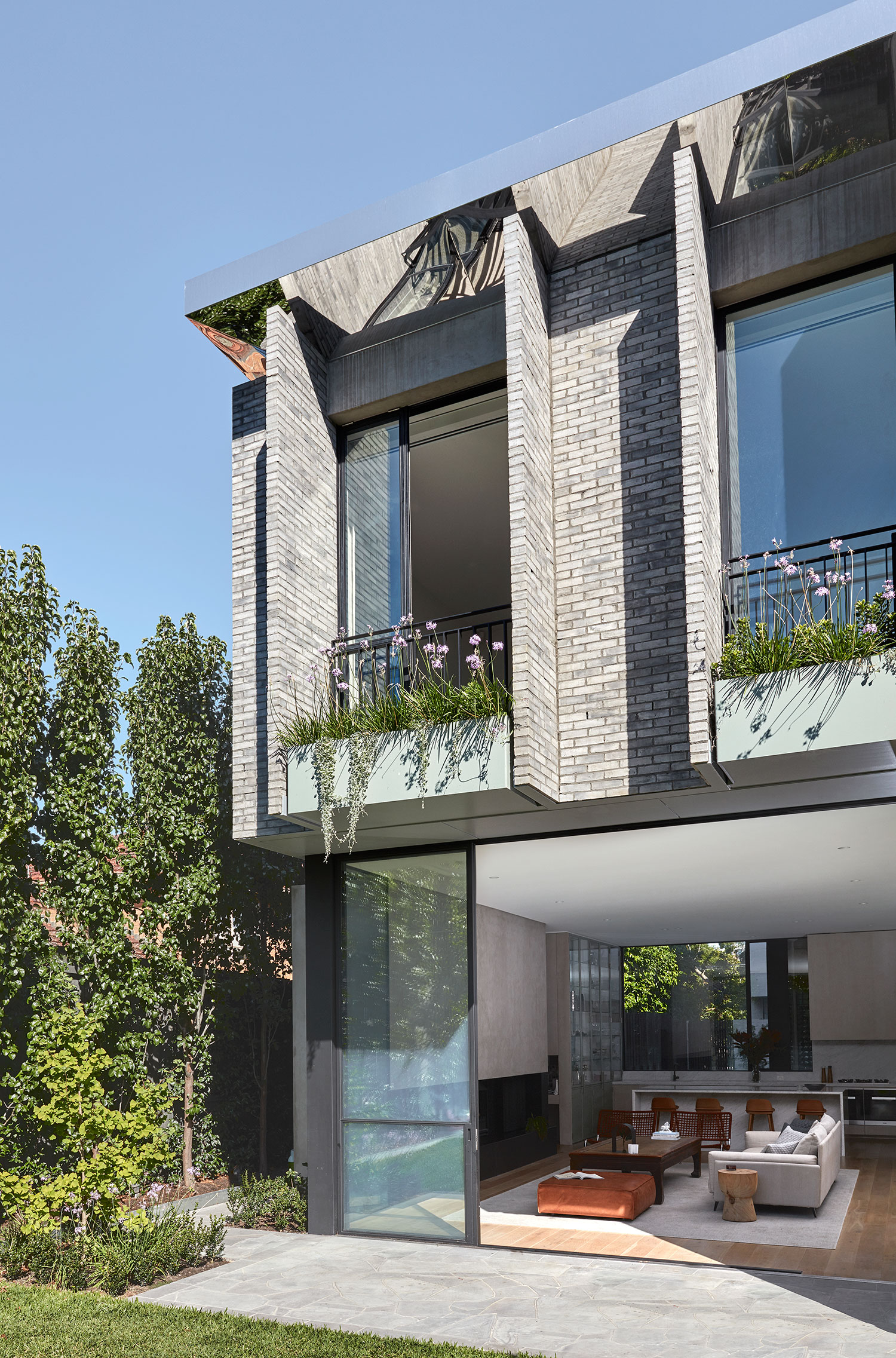


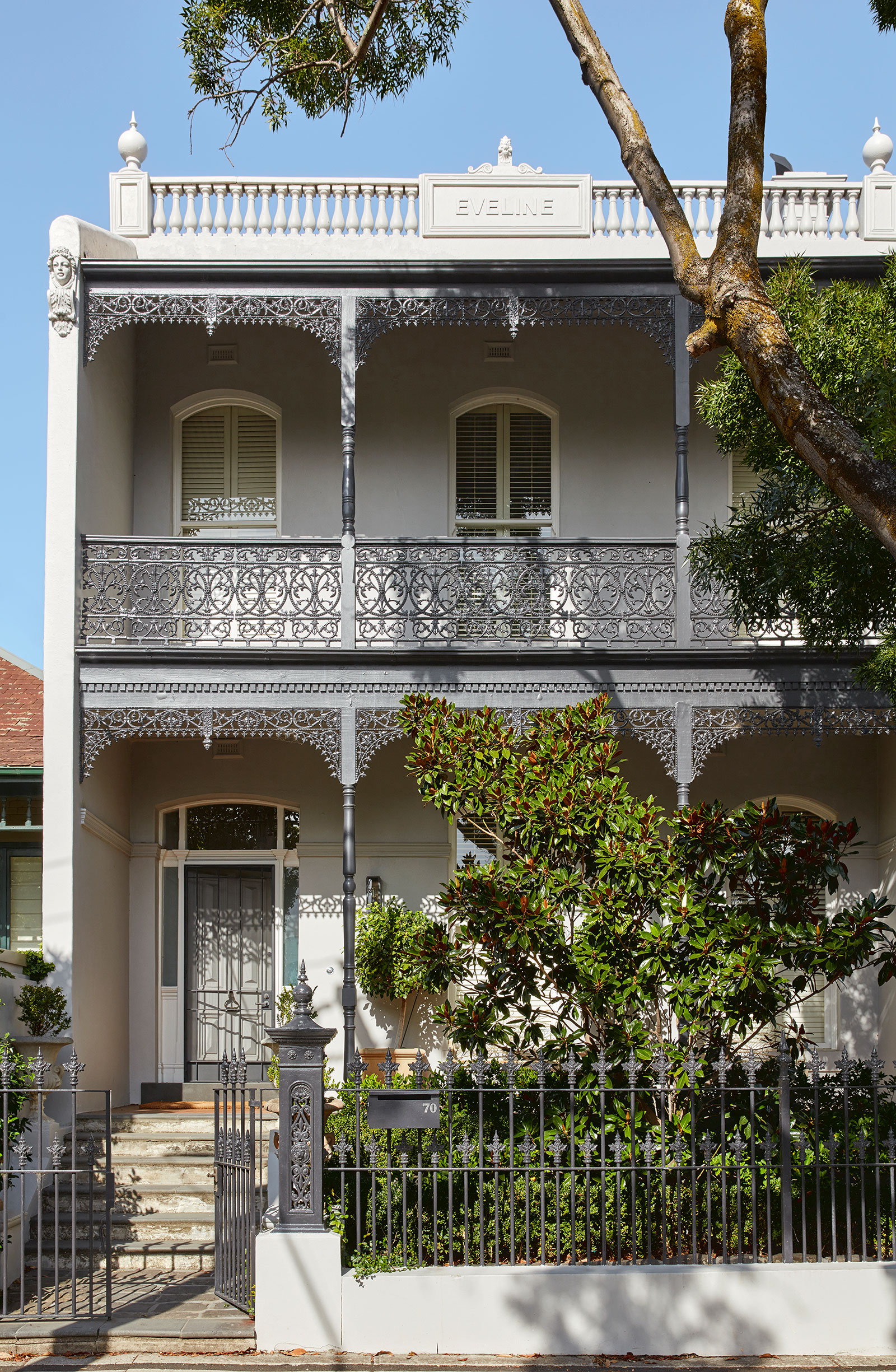
Armadale House sees the extension to an existing Victorian-era home as an opportunity to create a series of connected and more useable zones.
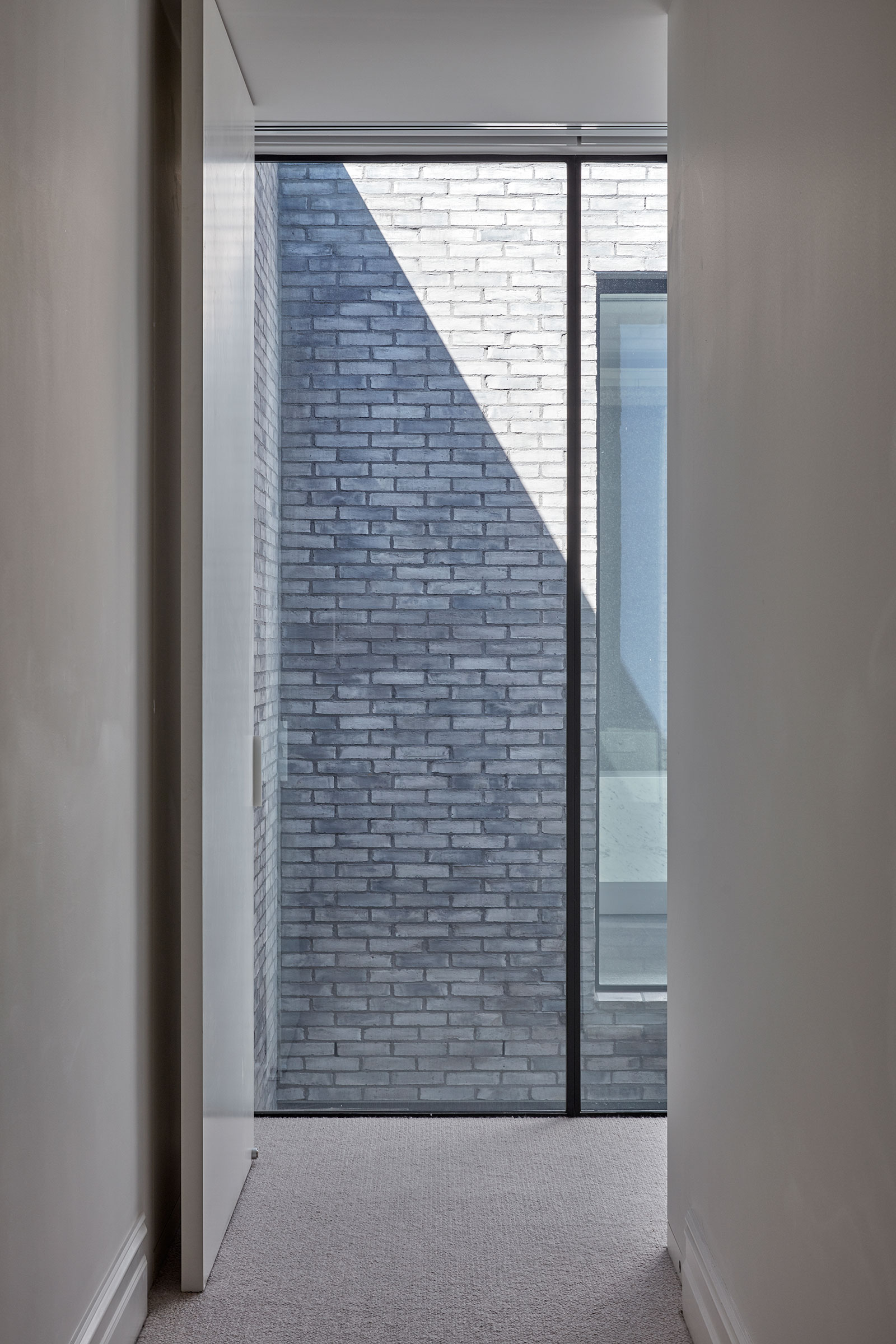
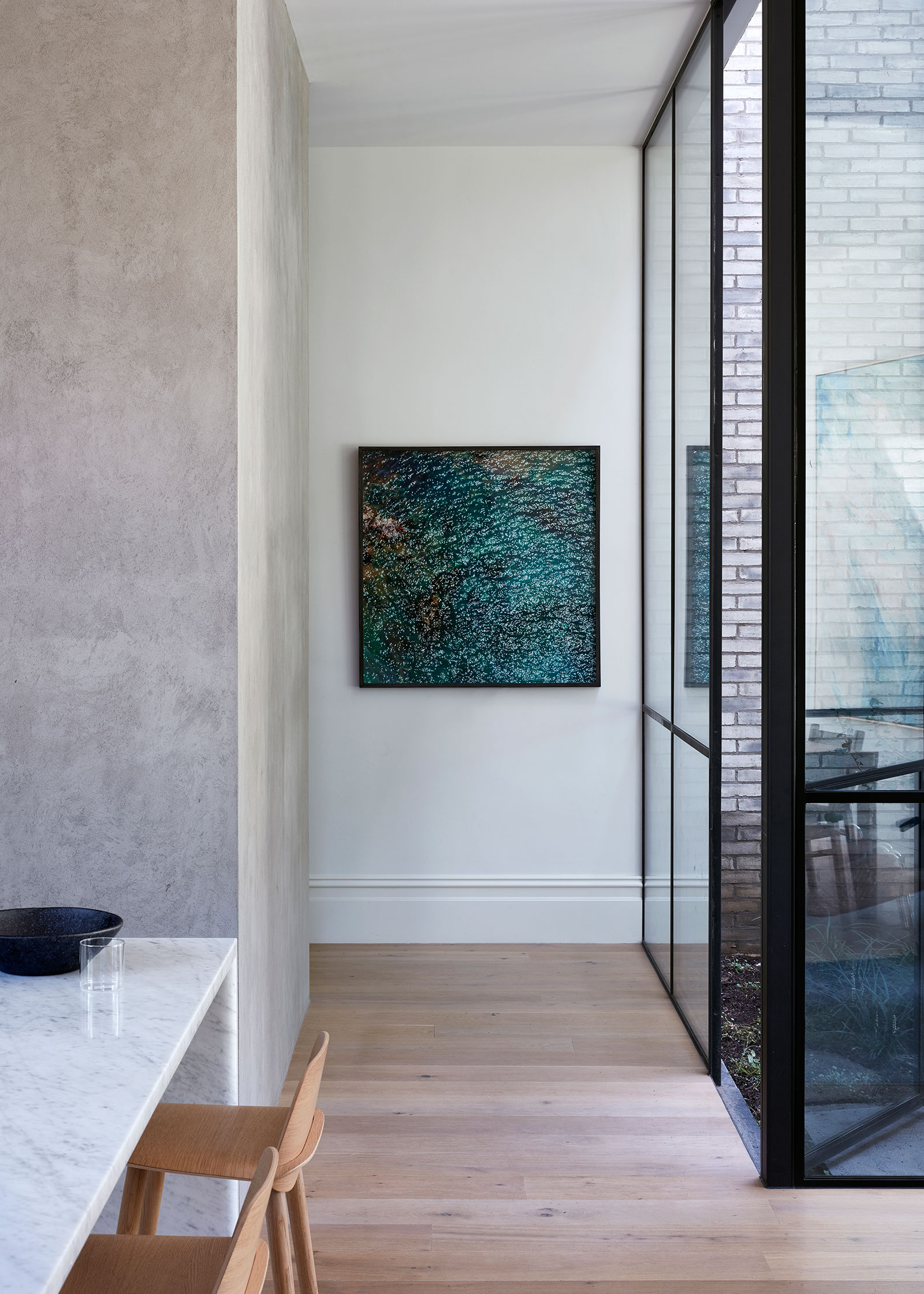
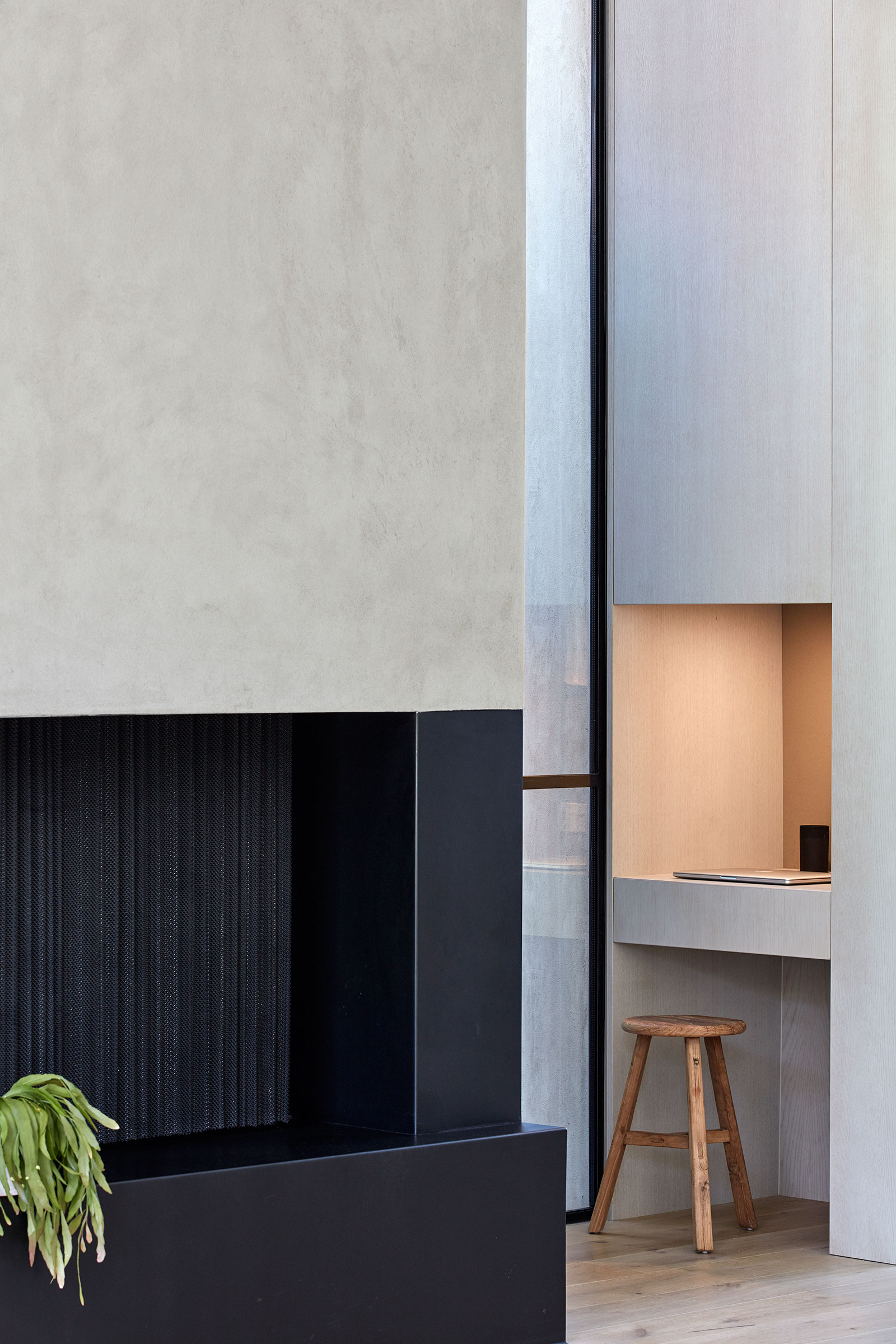
Originally named ‘Evelyn’, the existing bones of this home were restrictive and common to the planning of its time. The compartmentalisation of rooms and lack of interconnection needed to be addressed and incorporated into the proposed, as first principles. The existing property abutted the boundary on either side, and to the rear northern end, adjoined an existing property also. As an intervention, a large internal courtyard was carved out and inserted into the ground floor living space and the upstairs master-suite area.
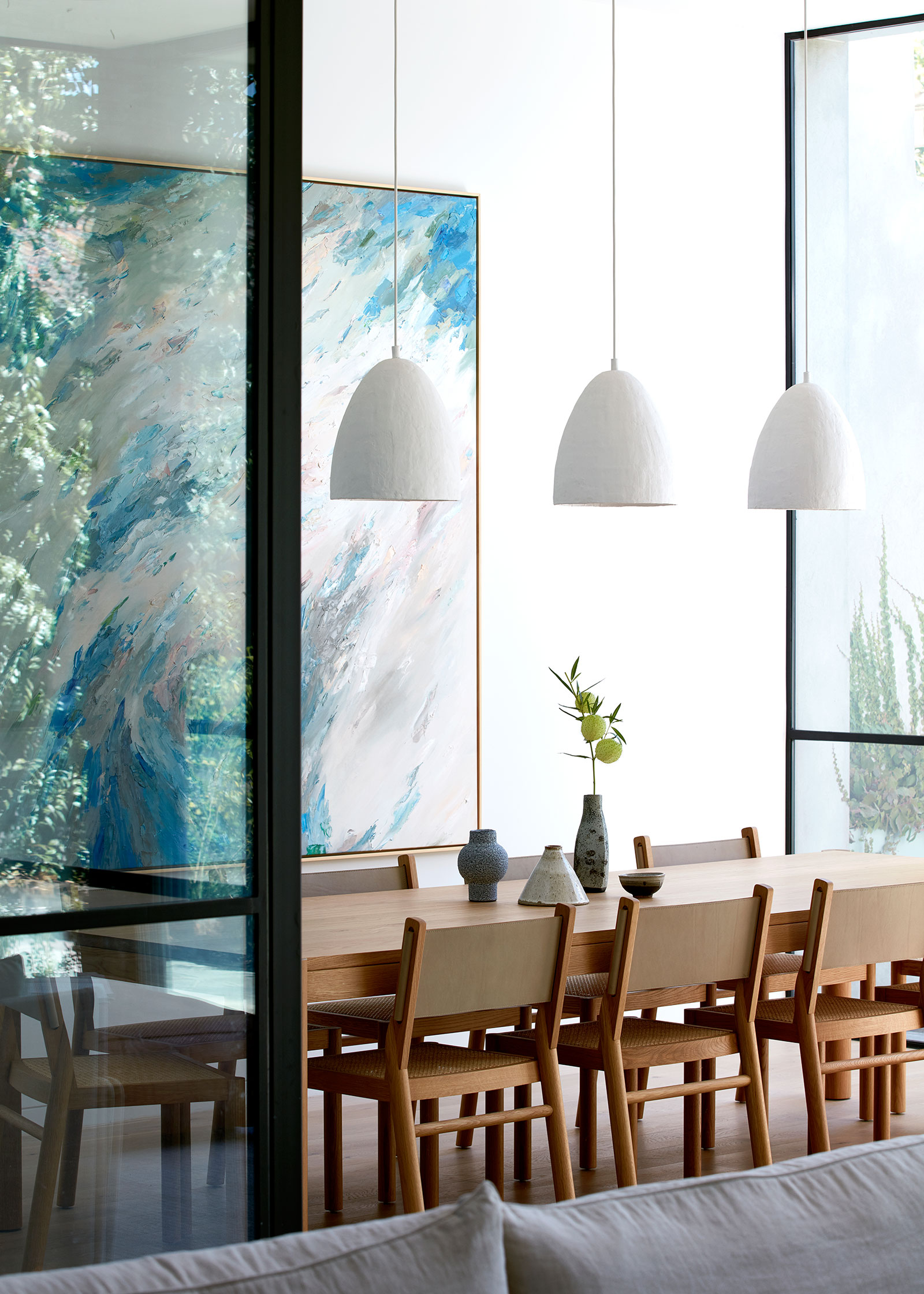
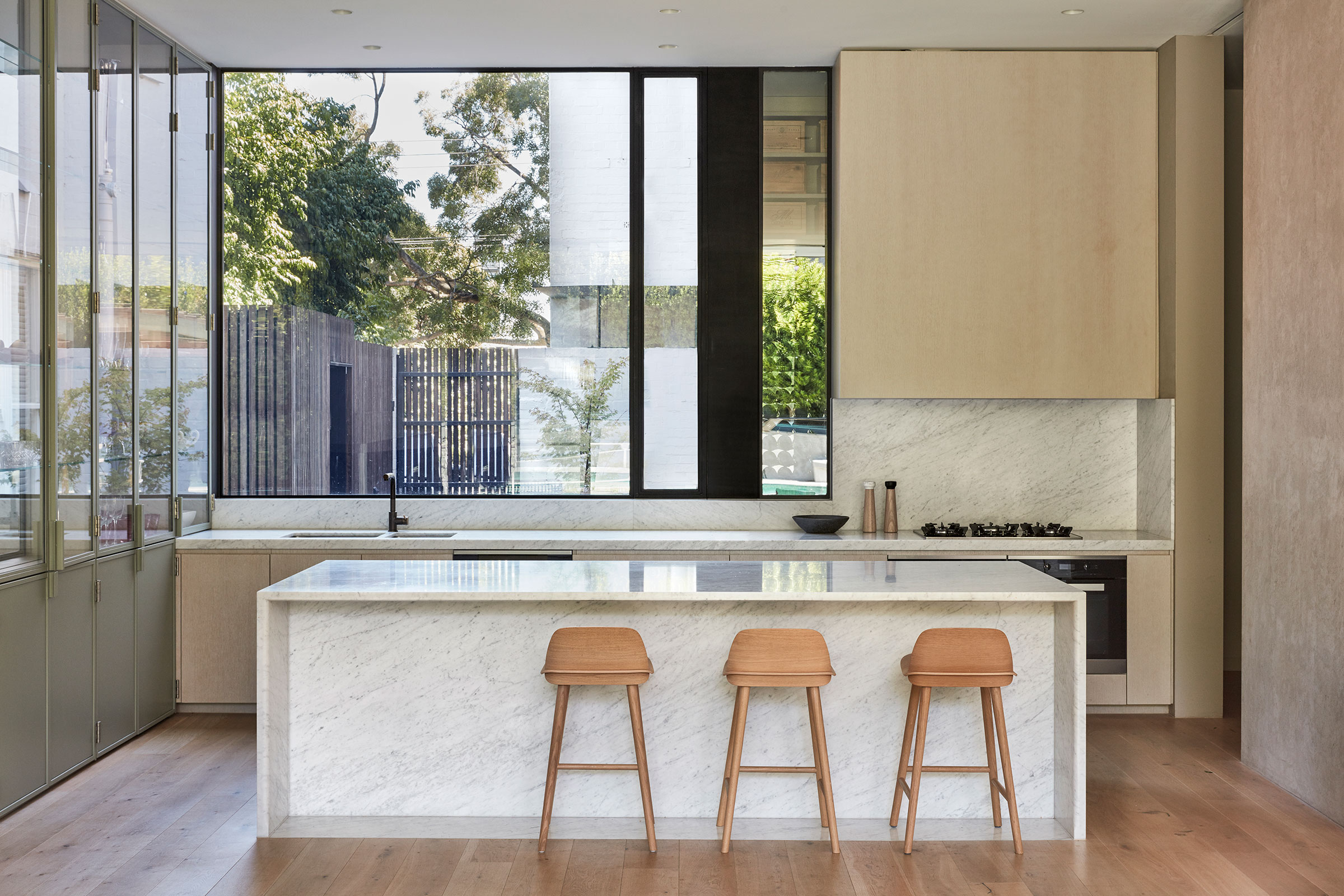
Spread over two levels, the primary priority was to bring in natural light and create a connection with the landscape internally.

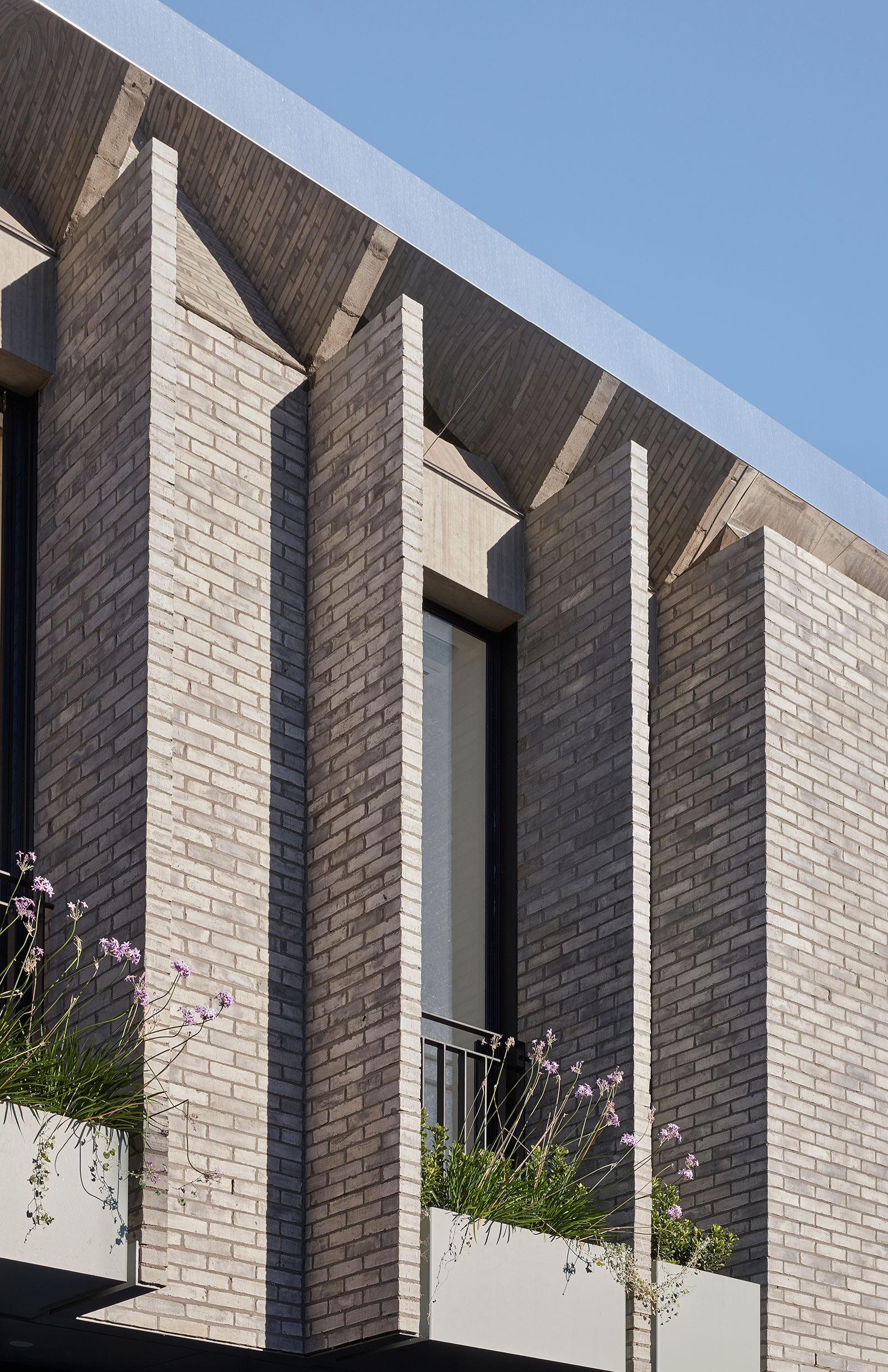
The approach to materiality was in response to the existing fabric and tonality of the house. All selections were based on their sensitivity and textural appropriateness to the existing, and how they would sit alongside all other elements. A selection of Danish bricks was used as the main finish material, each hand made and each individual from the other. This variation of size, formality and exactness allows for dynamism in the end result, and an added sense of interest and craftsmanship is expressed, brick by brick.


The compartmentalisation of rooms and lack of interconnection needed to be addressed and incorporated into the proposed, as first principles.

Surrounded by other Victorian-era homes, the respectful celebration of the existing was key as a testament to its neighbouring context. Throughout, there was a deliberate attempt to highlight, instead of hide, the imperfections of the materials and details. The existing 3.4 metre ceiling heights were then matched in the extension, allowing for a generous sense of space, and a feeling of effortless flow between the old and the new. Softening the additional mass, the planter boxes added to the façade, contribute a sense of the natural in contrast to the hard exterior fabric of the built form, together with a Juliette balcony at each opening.

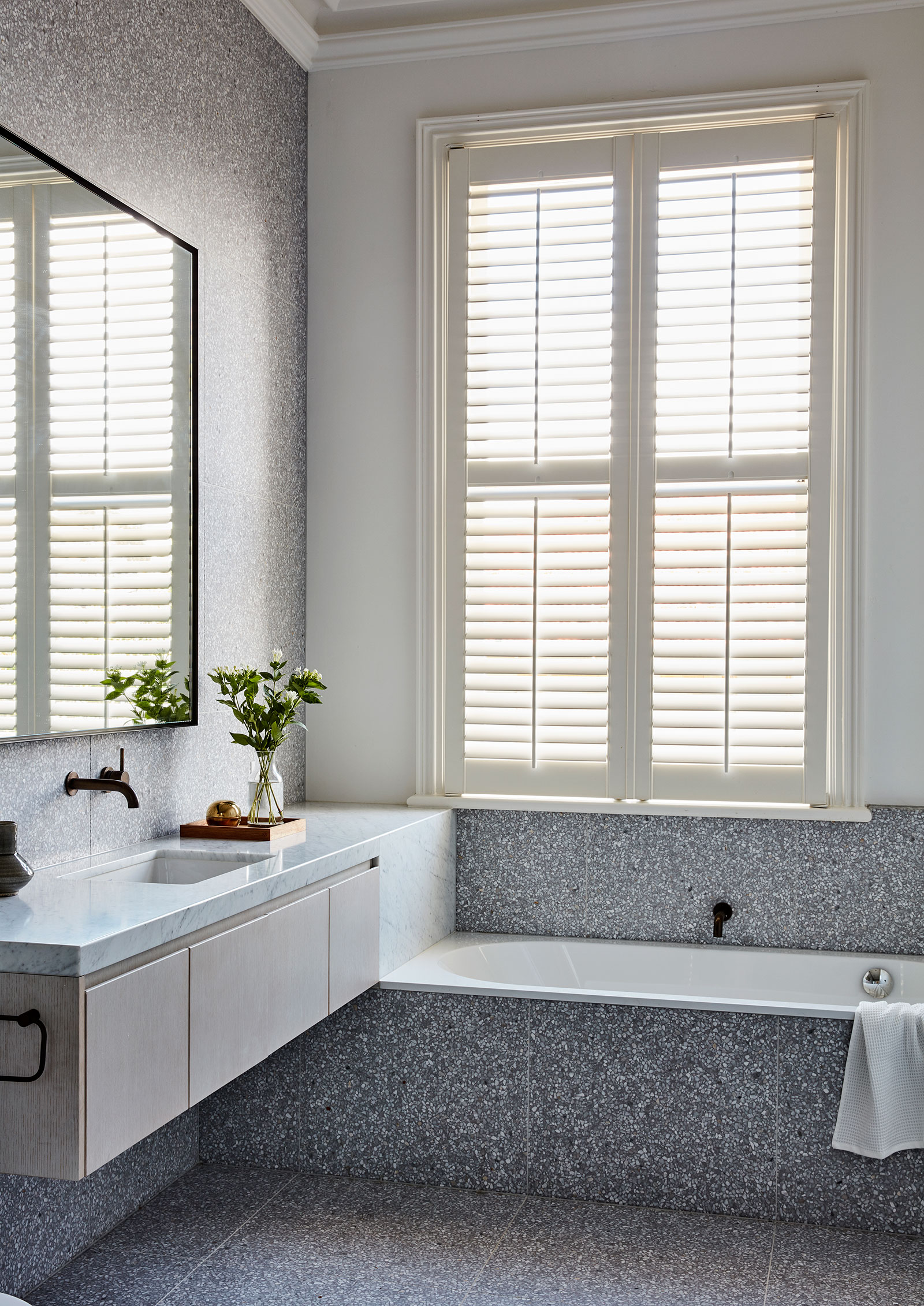
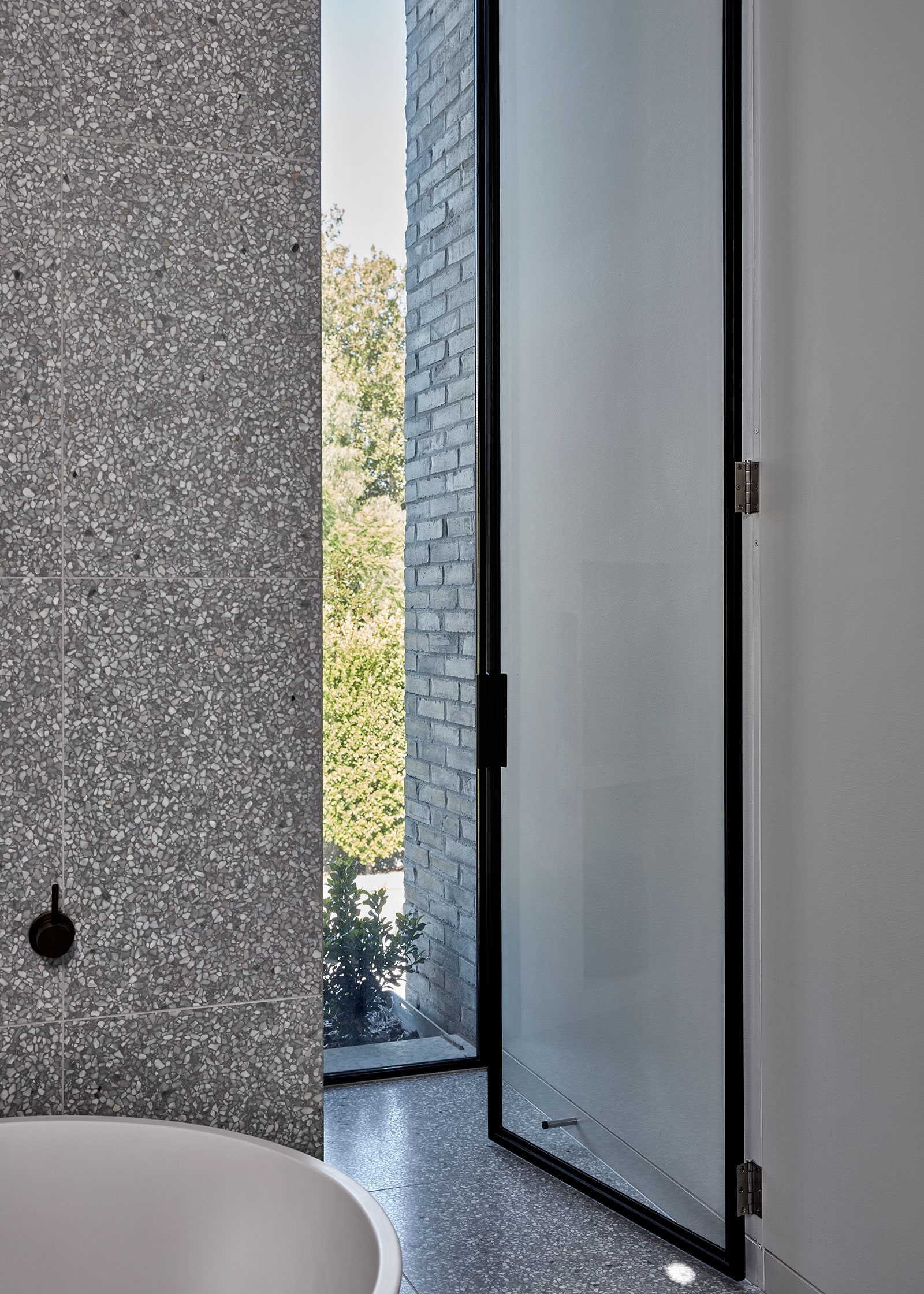

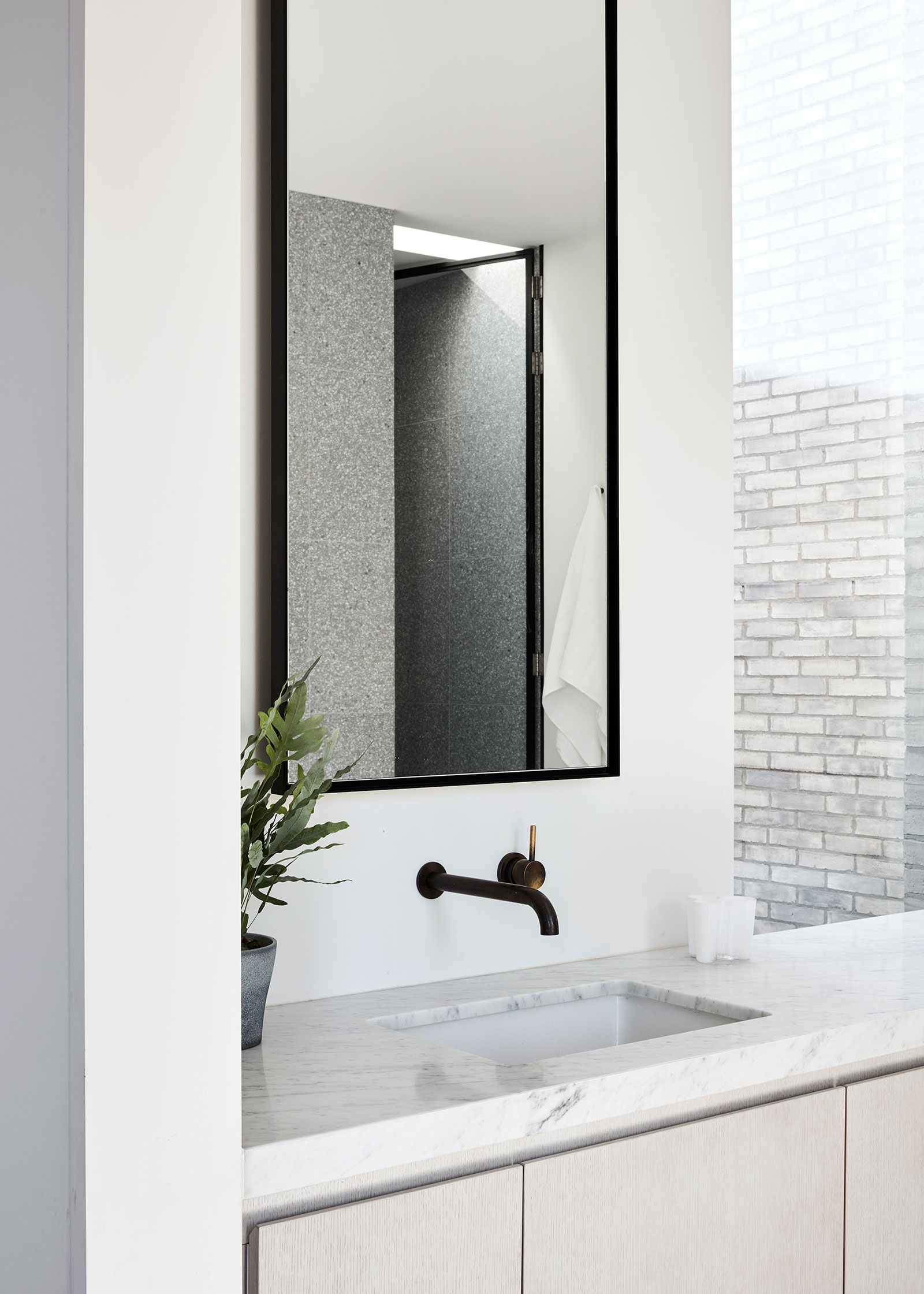
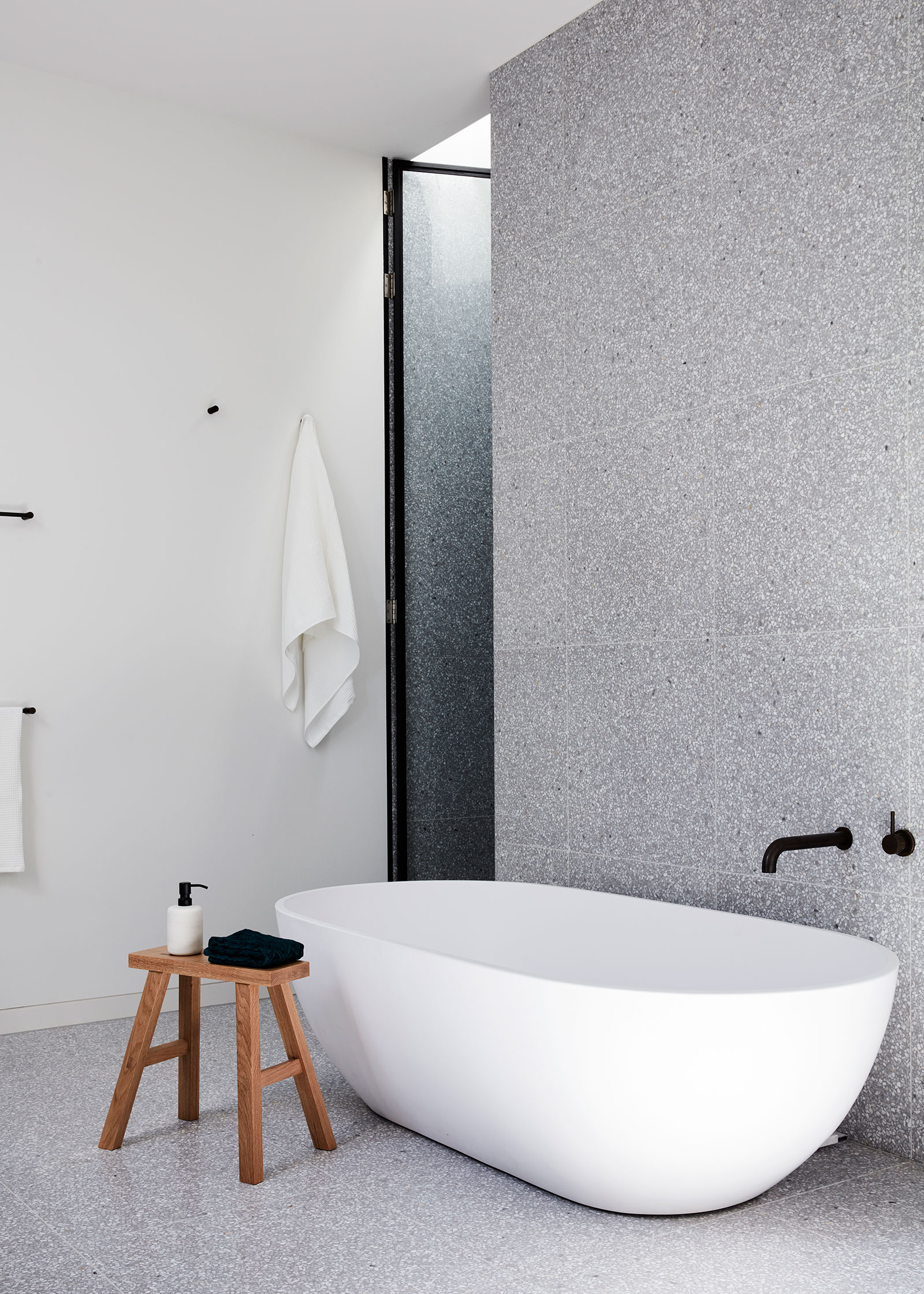
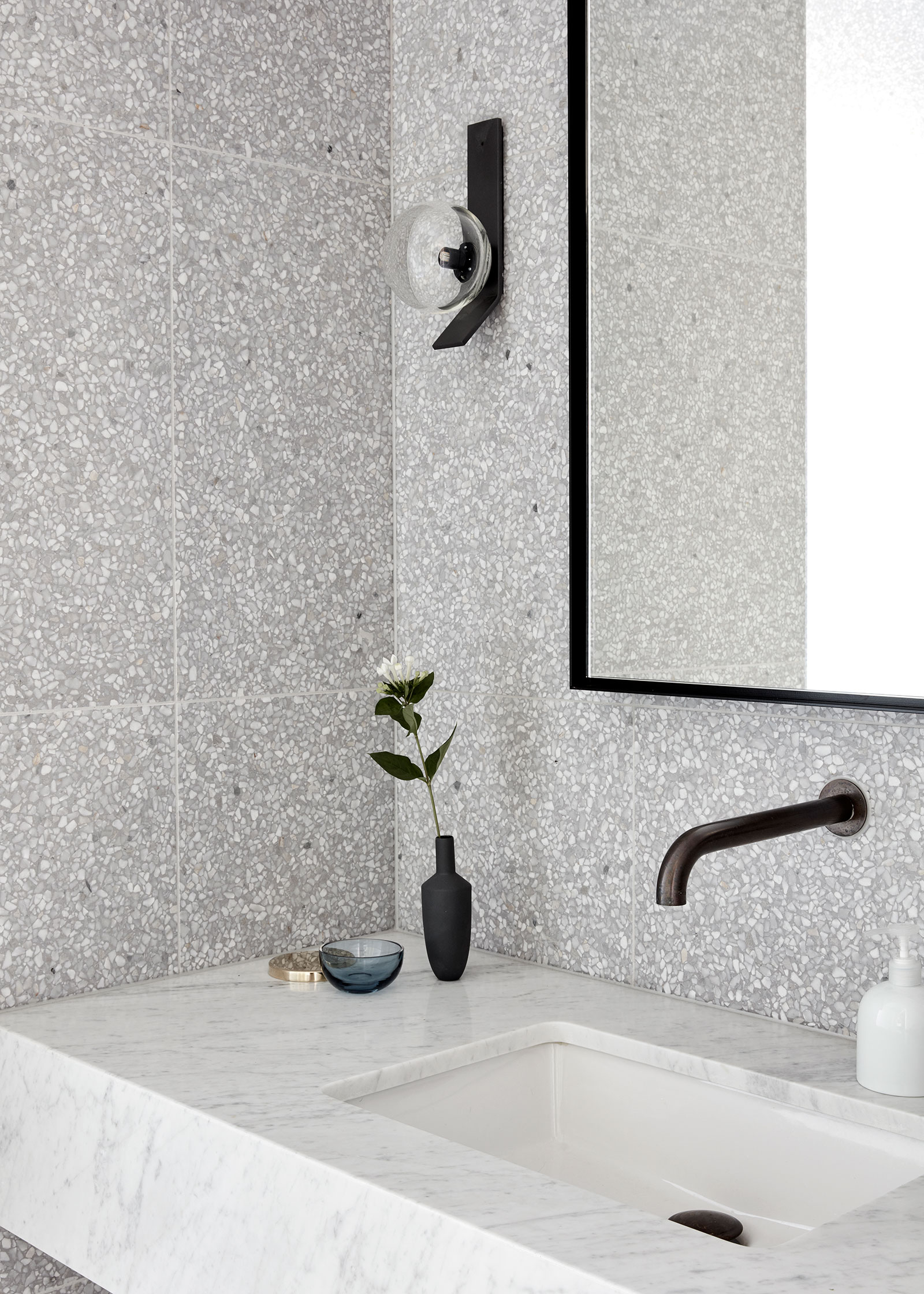
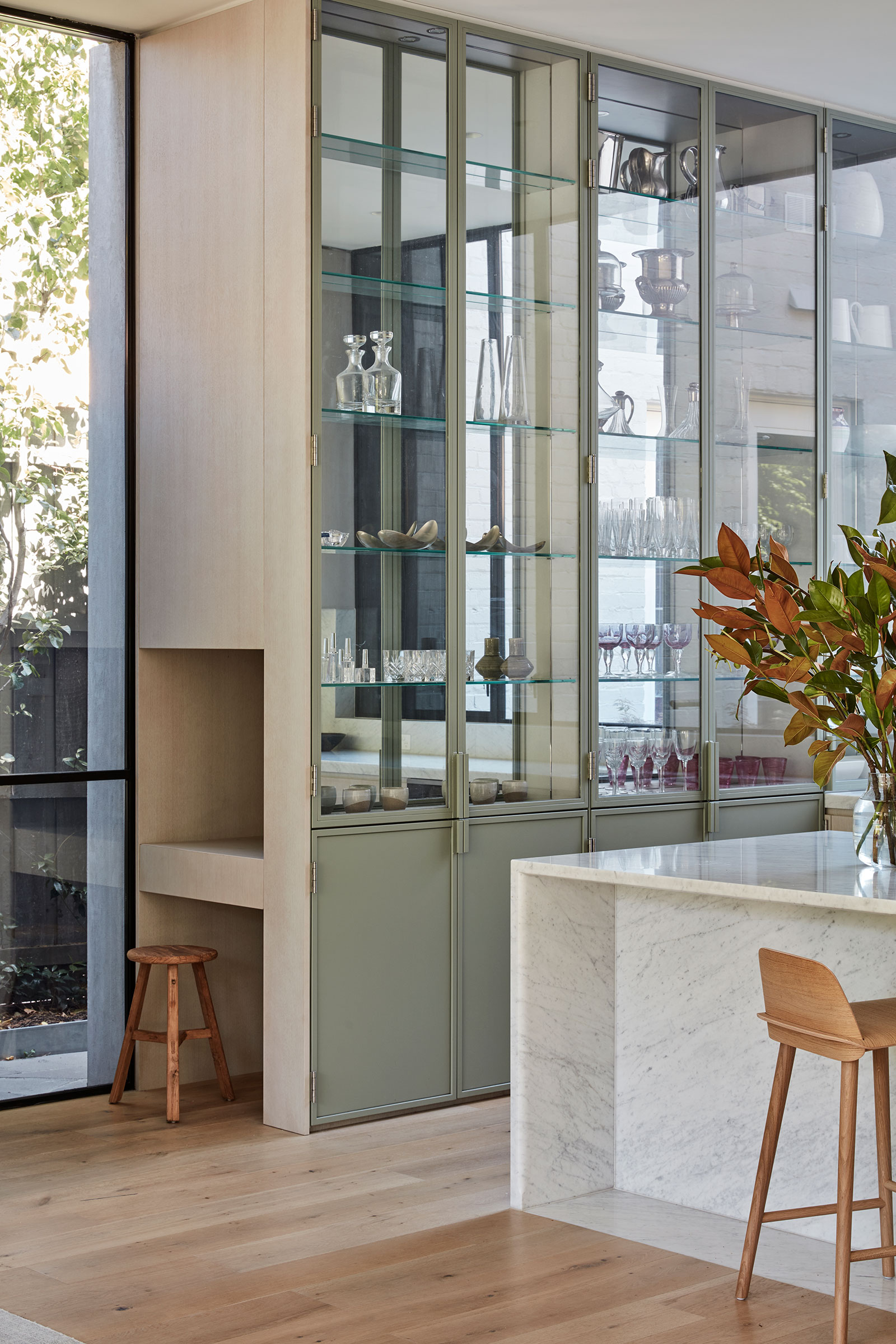
Throughout, Inglis Architects has used timber floors and joinery, together with the terrazzo and natural stone, to add a sense of depth and tonality to each of the spaces. The steel expressed on the exterior is then deliberately used internally as a connecting element, but also as an expression of their cohesion. Thus, Armadale House connects the existing with the new both respectfully and with ease, softened with natural finishes and interesting details.