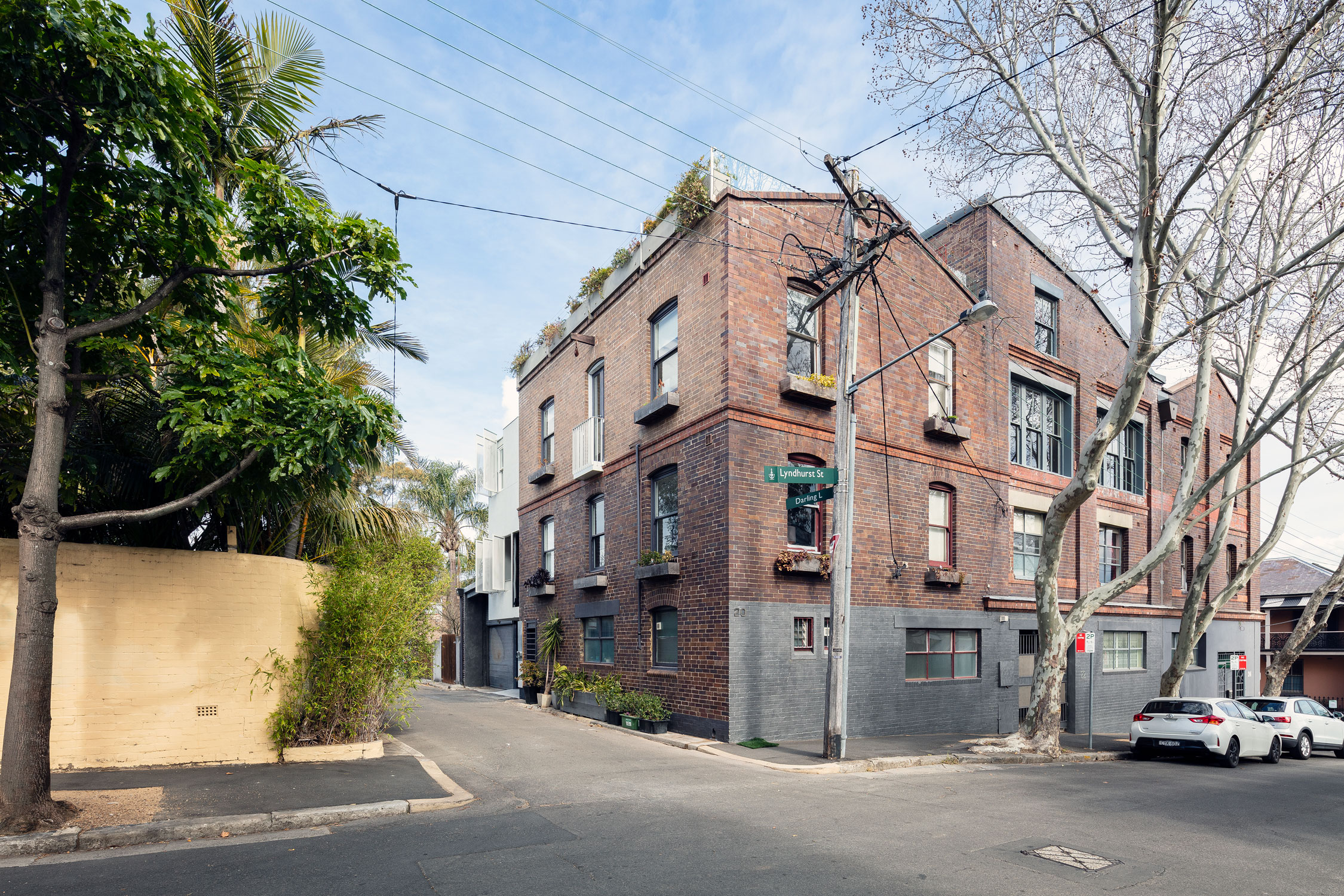
Texturally Complex Sydney Home - Darling Lane by Welsh Major Architects
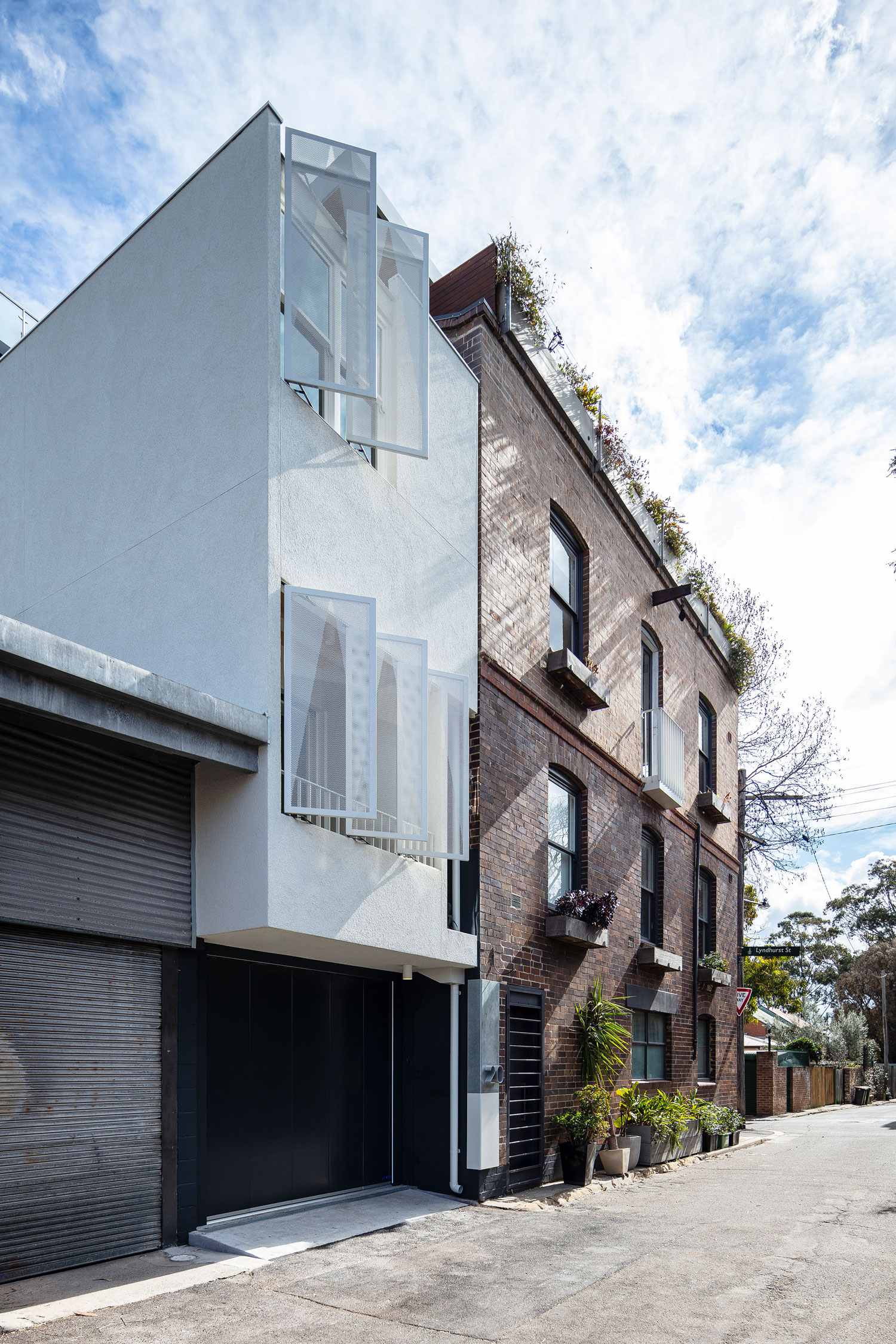
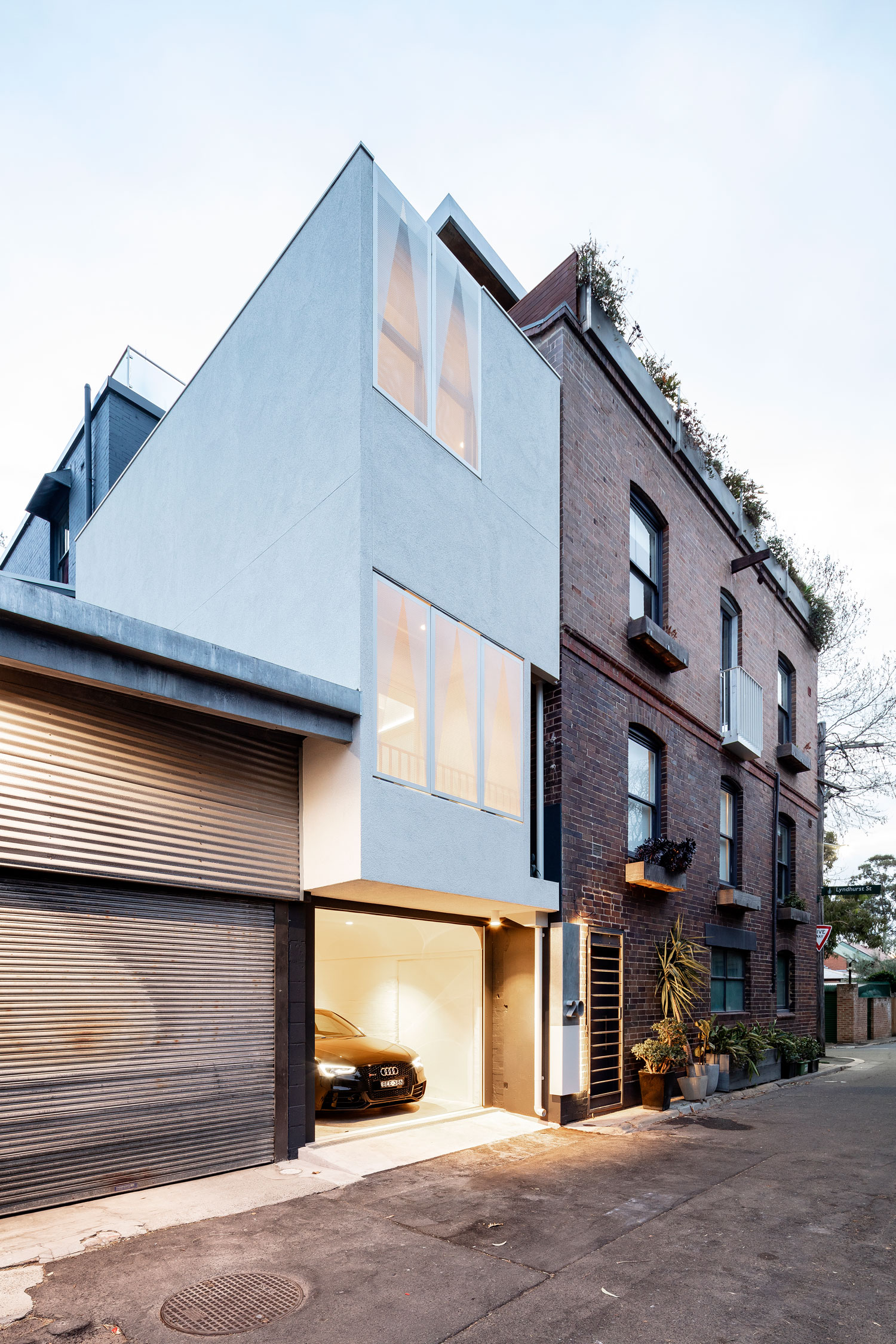
Acting as a counterpoint to its original warehouse bones, Darling Lane by Welsh Major Architects is a refined and simplified gesture of amenity in amongst a texturally-complex home.
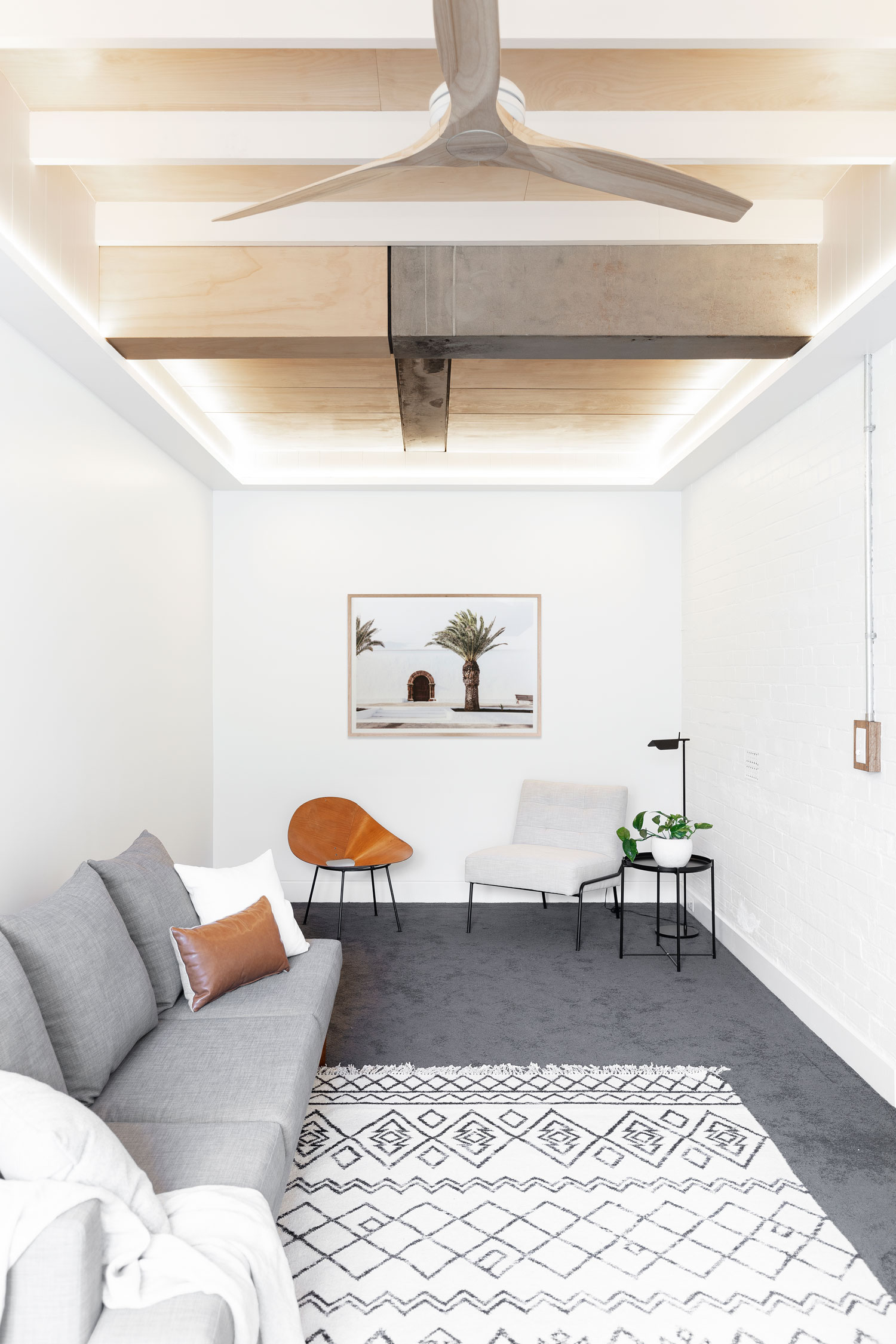
Set within an existing warehouse conversion, the ambitions for Darling Lane lay in carving out a home that spoke to a sense of structure. David Welsh, co-founding director of Welsh Major, summarises their approach as being “a punctuation point (to the existing),” where their efforts were “opposite in textures, brief and form.” He says, “what we wanted to create was a polyphonic composition with what was existing through the new work we designed.” Although the original warehouse was rich in textural layers, the previous conversion did not speak to the current custodians’ brief. Describing the opportunities within the warehouse, David adds, “what it didn’t have was a room to read, play an instrument, watch a show or read a book, and you could say the project is a counterpoint to the warehouse, a white box.”


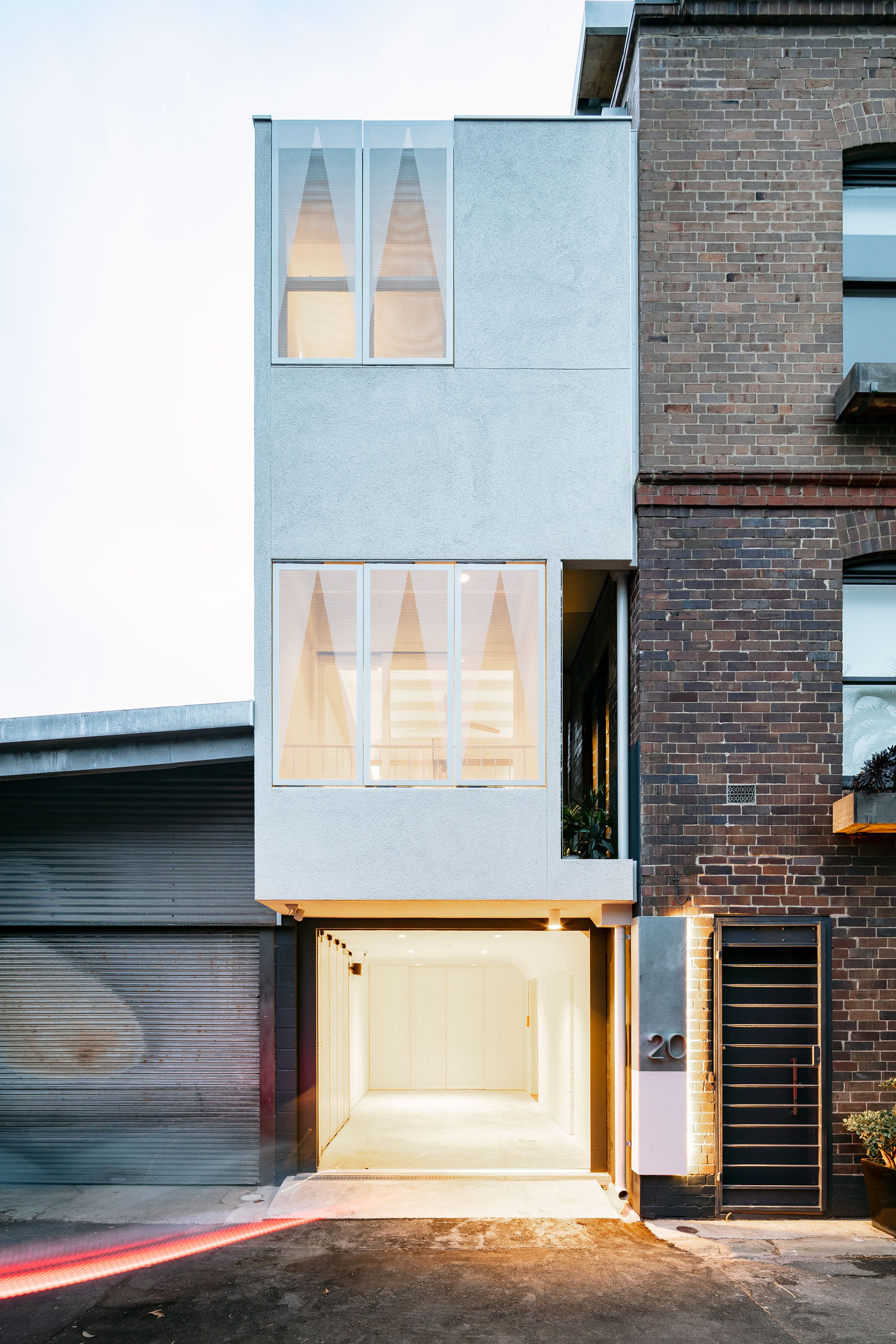


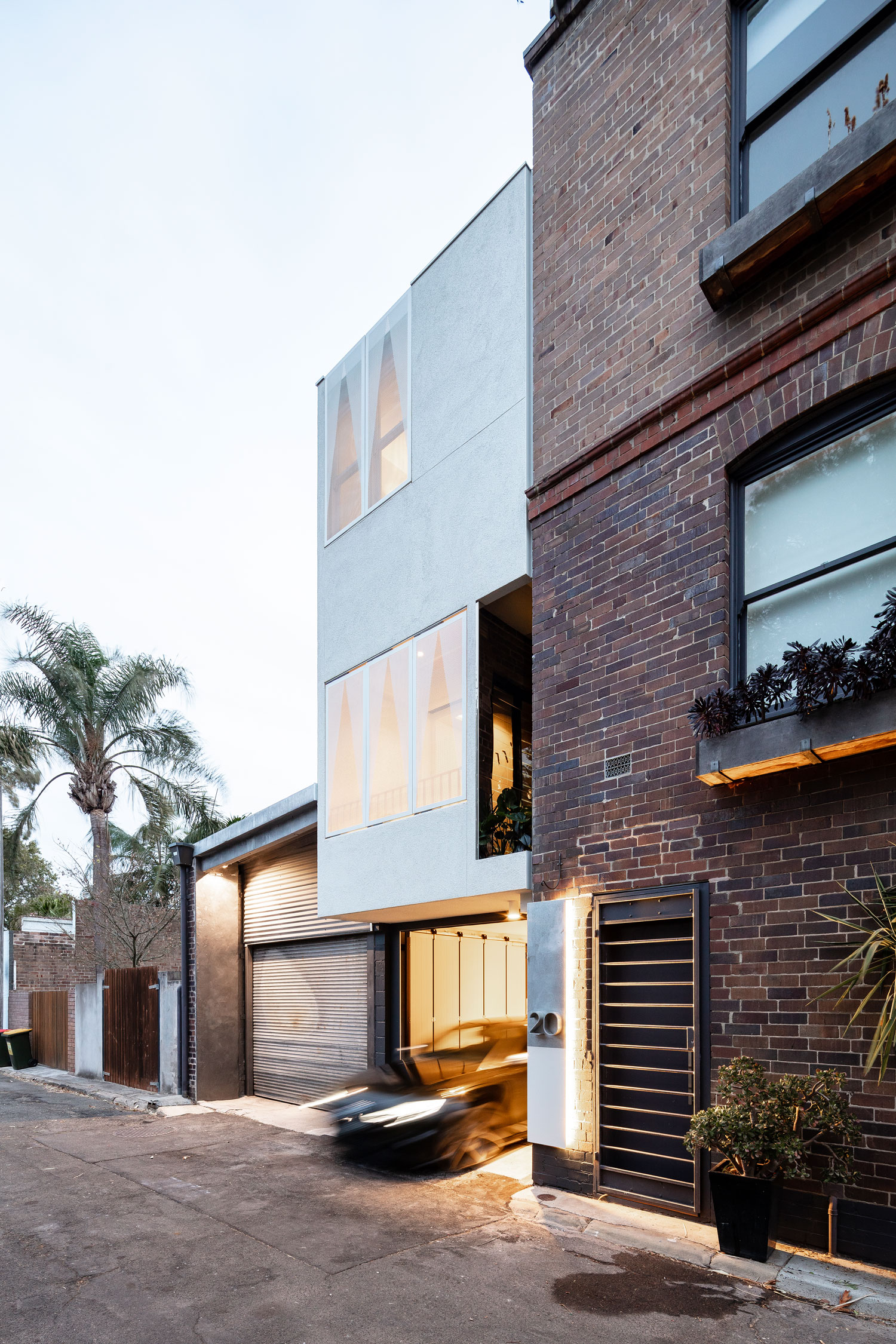
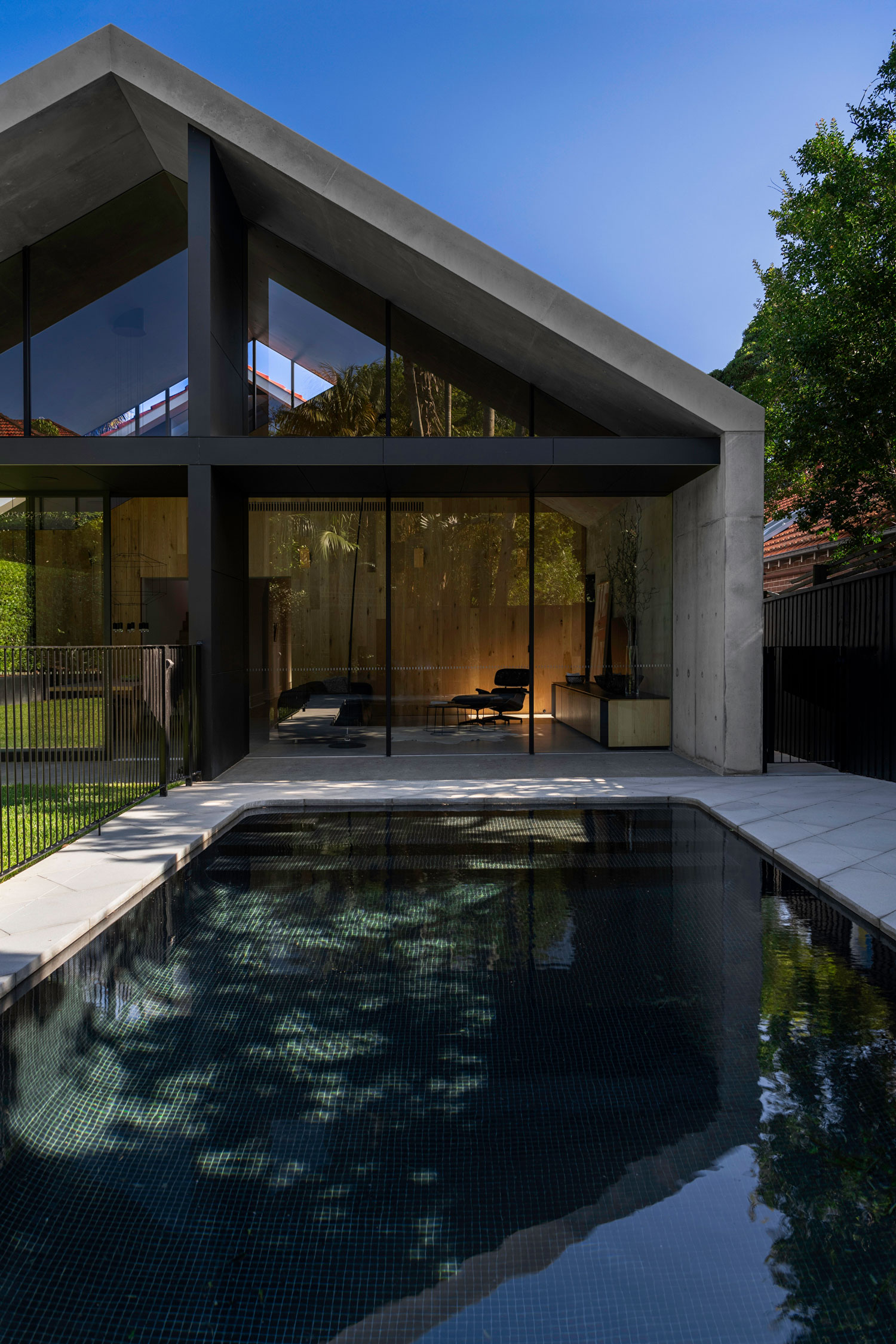
Built by Hi Spec Constructions, the approach to context was one purposefully driven. At Welsh Major, David says, “we want our buildings to be polite, distinct; complementary without being obsequious.” Set within such a richly woven inner-urban Sydney context, having a sense of identity is as equally important as an acute awareness of the surroundings. David adds, “the buildings we create are part of a bigger story; the story of our city. Our work is a chapter in the story.” He says, “we are careful to ensure the new form does not impact in real terms on the neighbours, with access to light and privacy as key concerns.”

The ambitions for Darling Lane lay in carving out a home that spoke to a sense of structure.
“We want our buildings to be polite, distinct; complementary without being obsequious.”

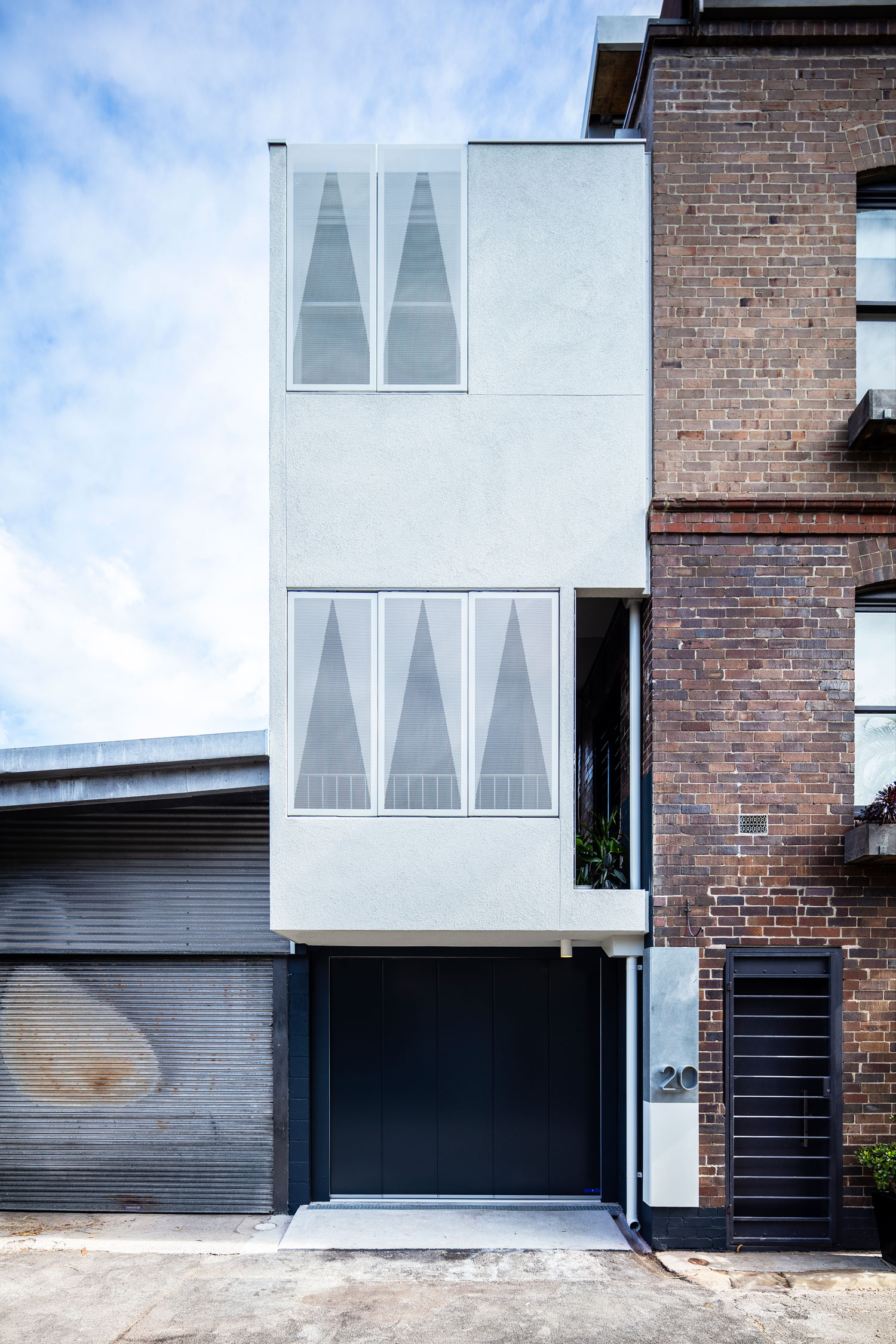
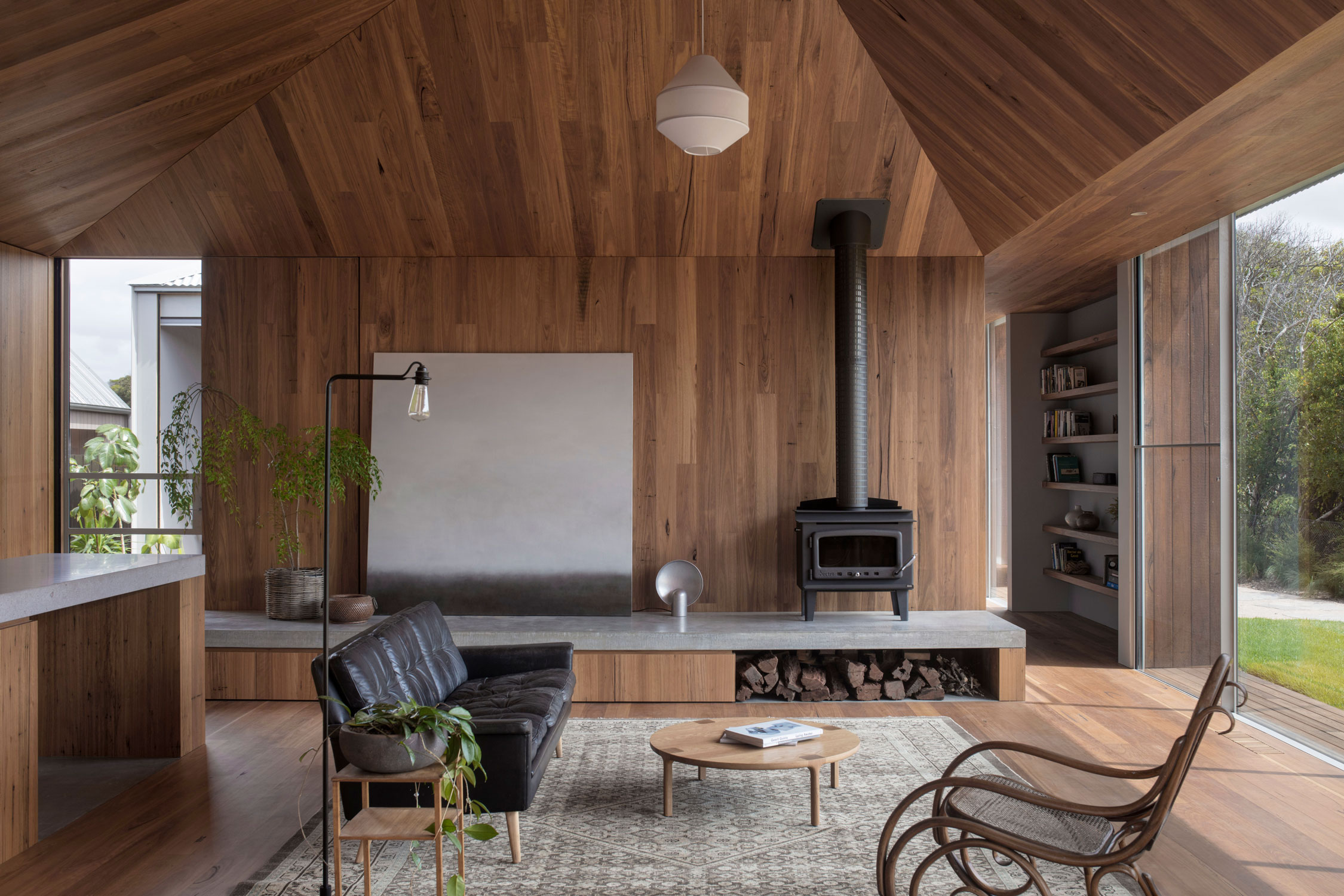
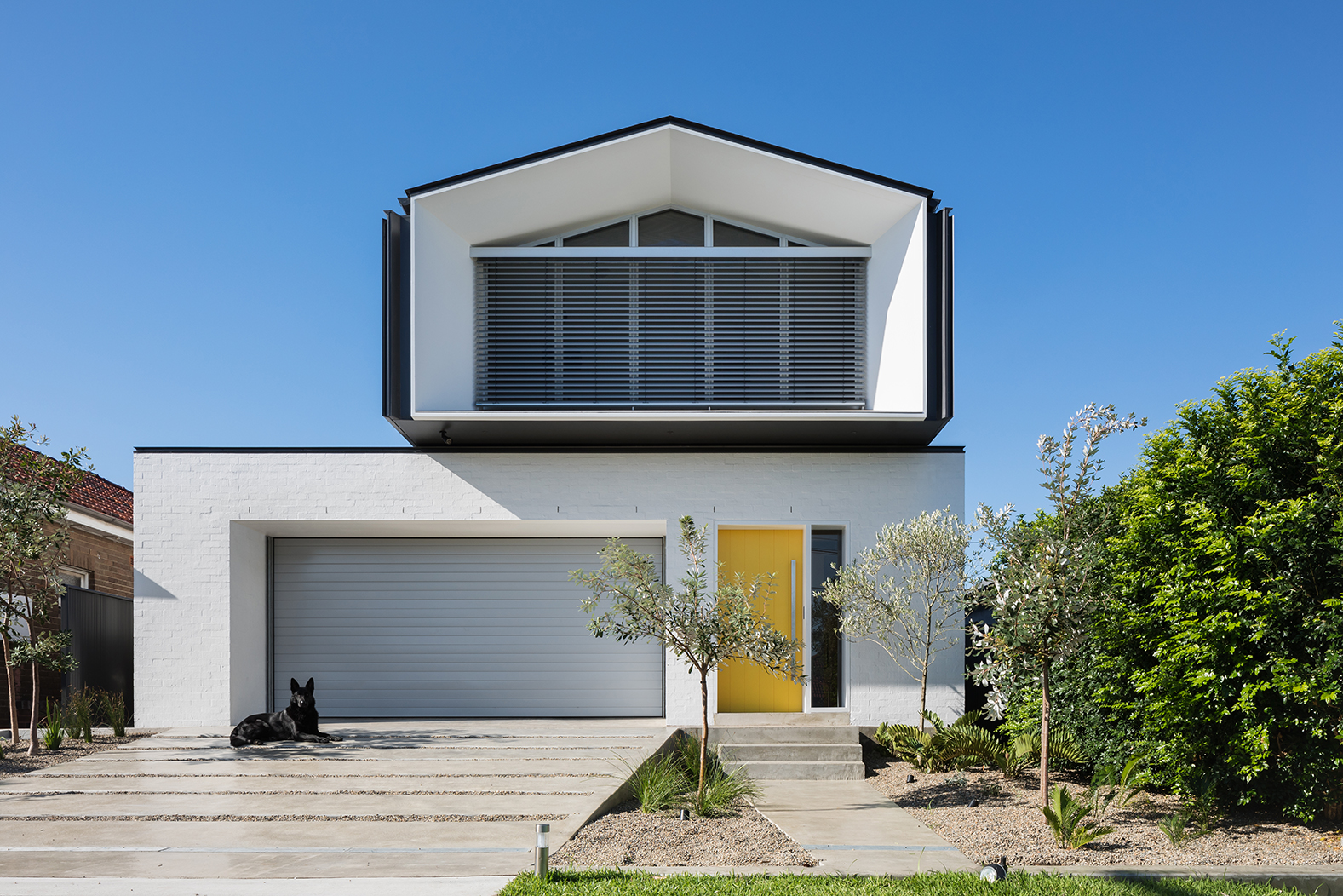
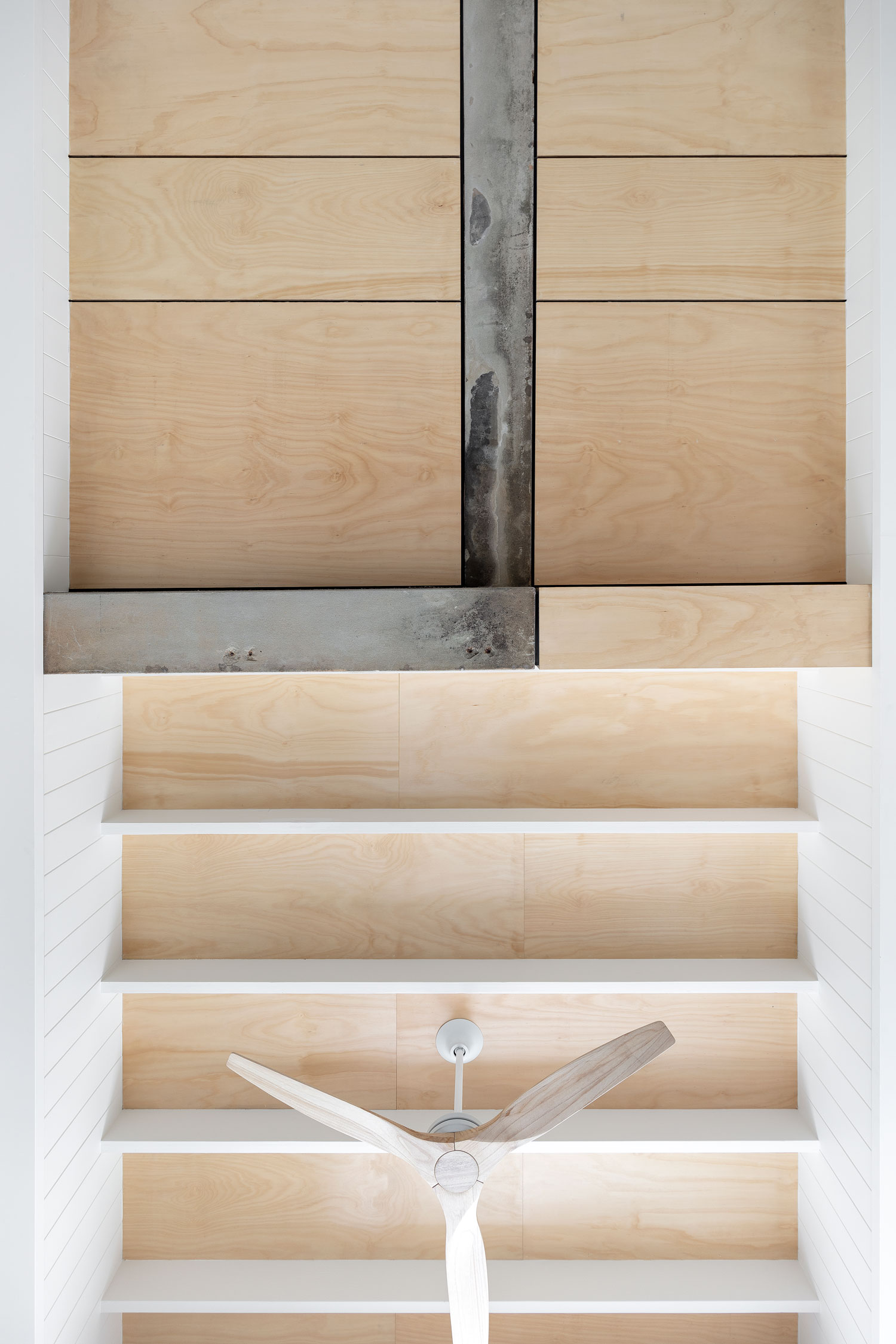
As a comment on the existing building fabric (a rich façade of brick with timber openings), there is a distinctive relate-ability to the resulting external approach, and the screens are a nod to a sense of the traditional ‘home’. David says, “externally, we wanted the new form to be material-less, we wanted to be distinctly different – no material is offered – it is simply white.” The internal approach takes a similar lead, but with a more intimate connection to the pre-existing bones. David describes the application as a gradient, saying “for the most part, the materials are recessive, elegant and pragmatic. The back of the room is a warm, snug space where a remnant concrete beam is left exposed, complemented with ply linings and new rafters.” He continues, “this changes toward the lighter front section of the room, opening onto a balcony and the laneway outside.”

“The buildings we create are part of a bigger story; the story of our city. Our work is a chapter in the story.”

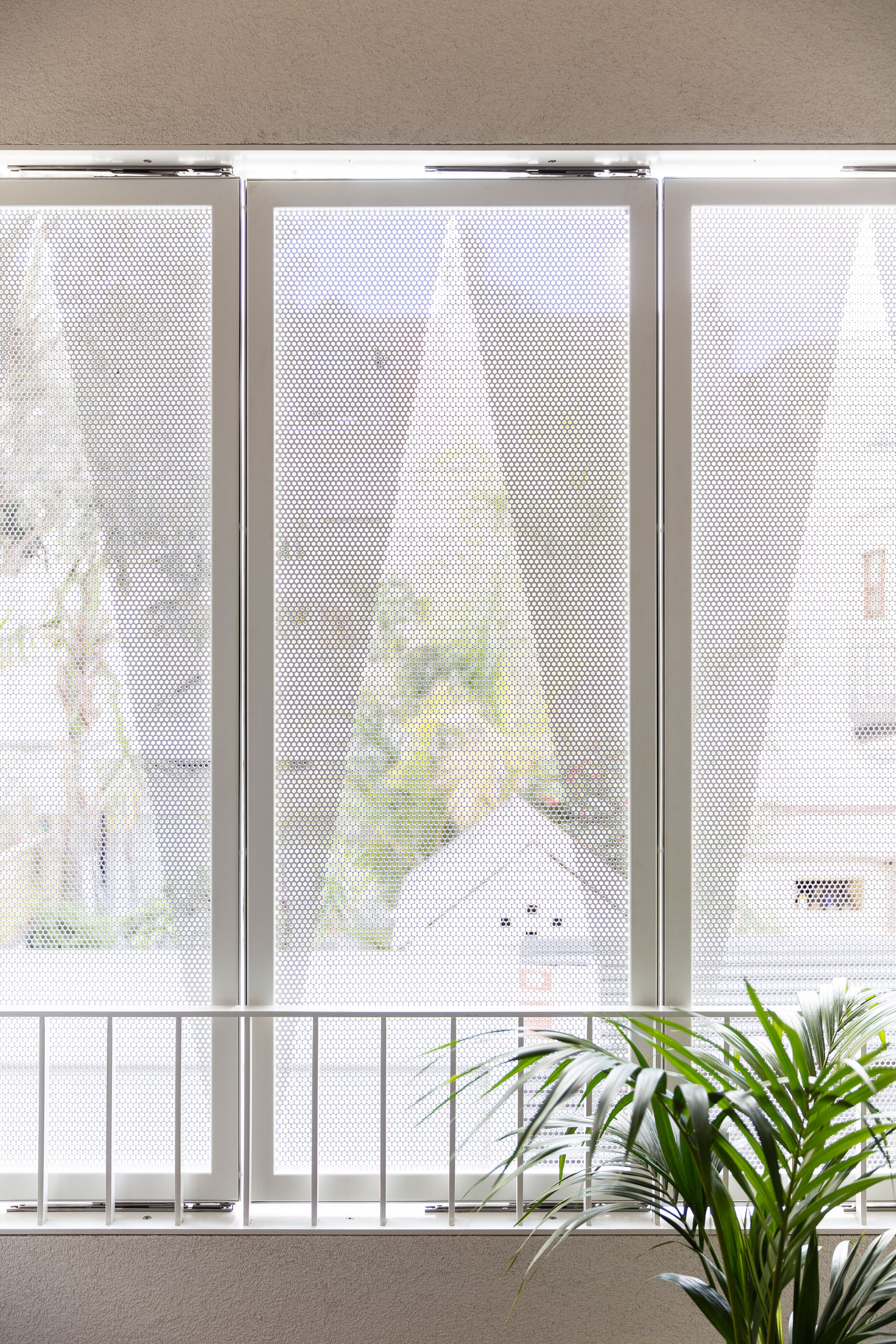
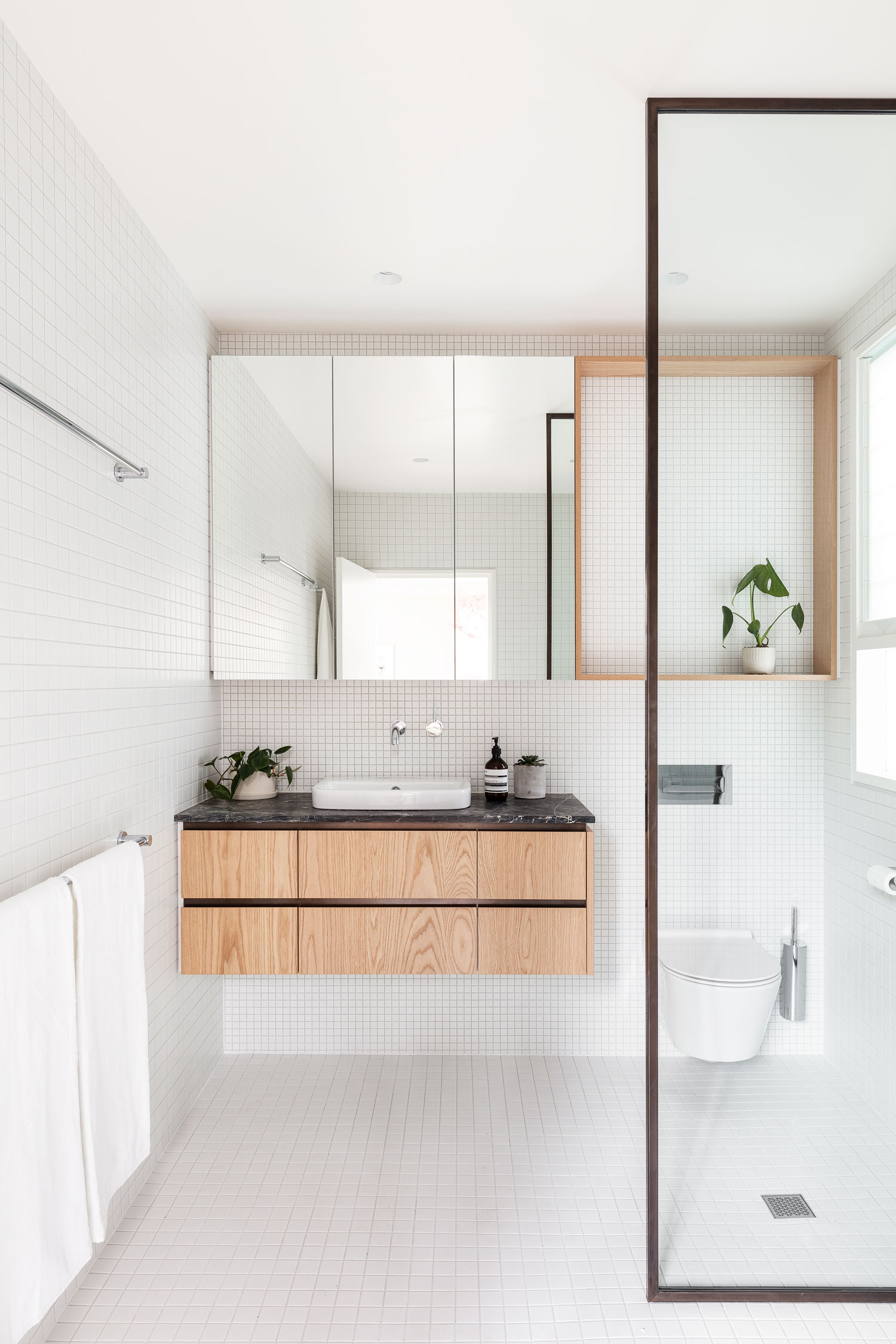
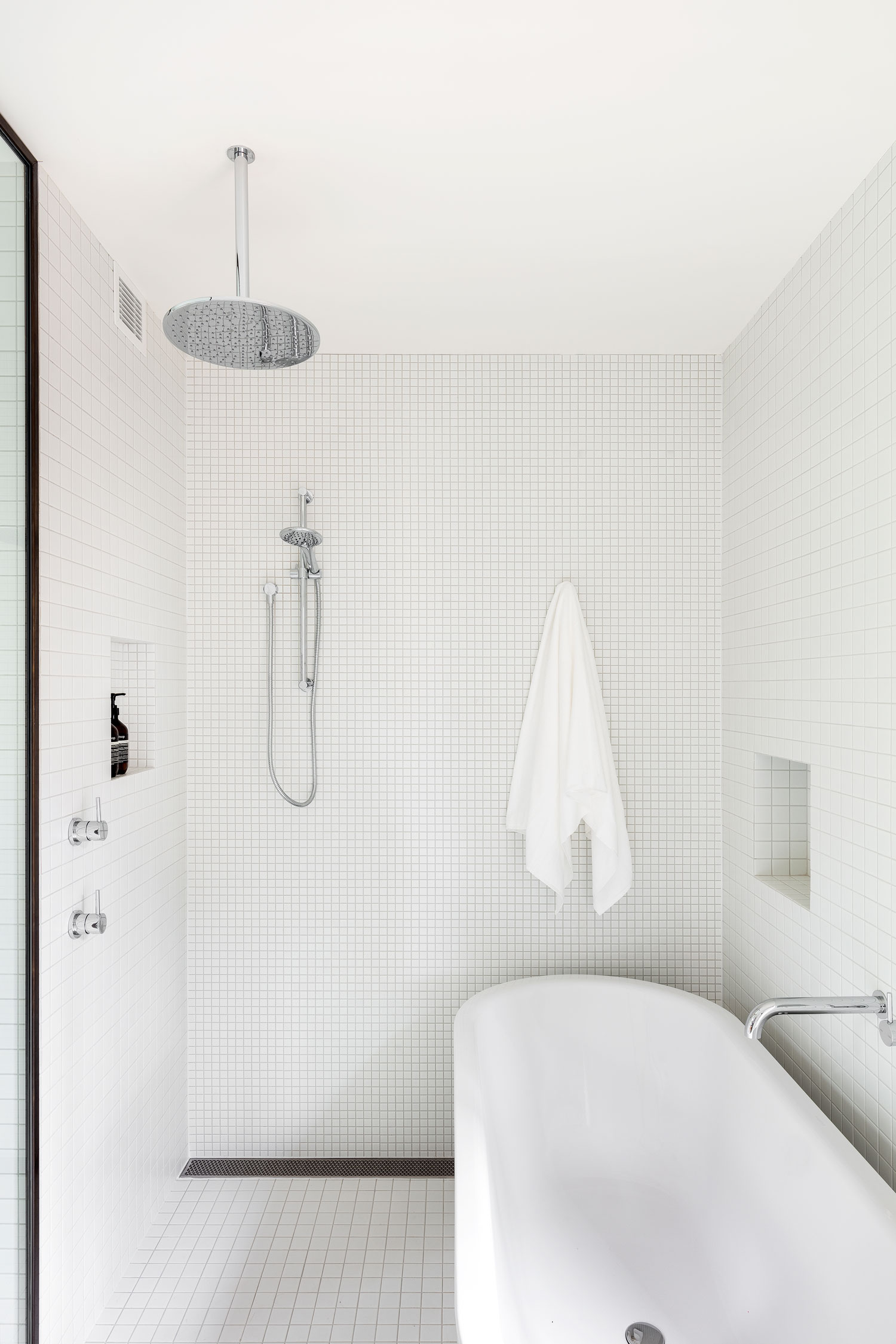
Limited from all directions but the east, the infiltration of natural light into these internal spaces came with its own challenges. David says, “natural light to the new rooms could only come from one direction, and it needed to be controlled, leading to the idea of the perforated screens.” He describes the approach, in particular these screens, as being “like a mantle of a gaslight – emitting filtered light into the house by day, and a soft glow to the laneway at night.” Adding quality light, but also allowing for ventilation was key, along with the ability to direct said light. He says, “we cut the new white box to create a light recess, which we lined with polished stainless steel to bounce incidental light into the room” where “the recess also holds a small pocket garden, working as a privacy filter for the bathroom from the laneway.”

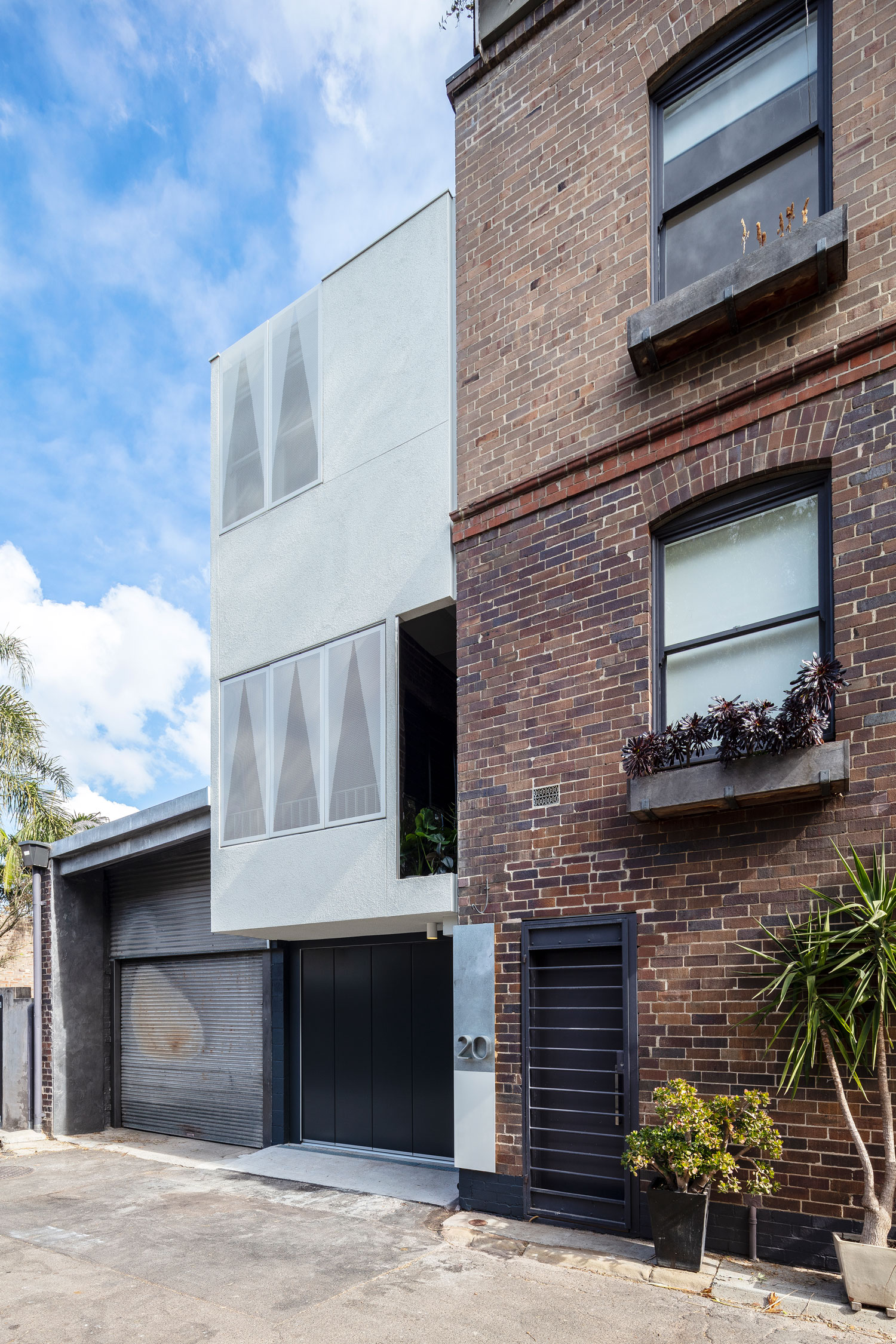
“Externally, we wanted the new form to be material-less, we wanted to be distinctly different – no material is offered – it is simply white.”

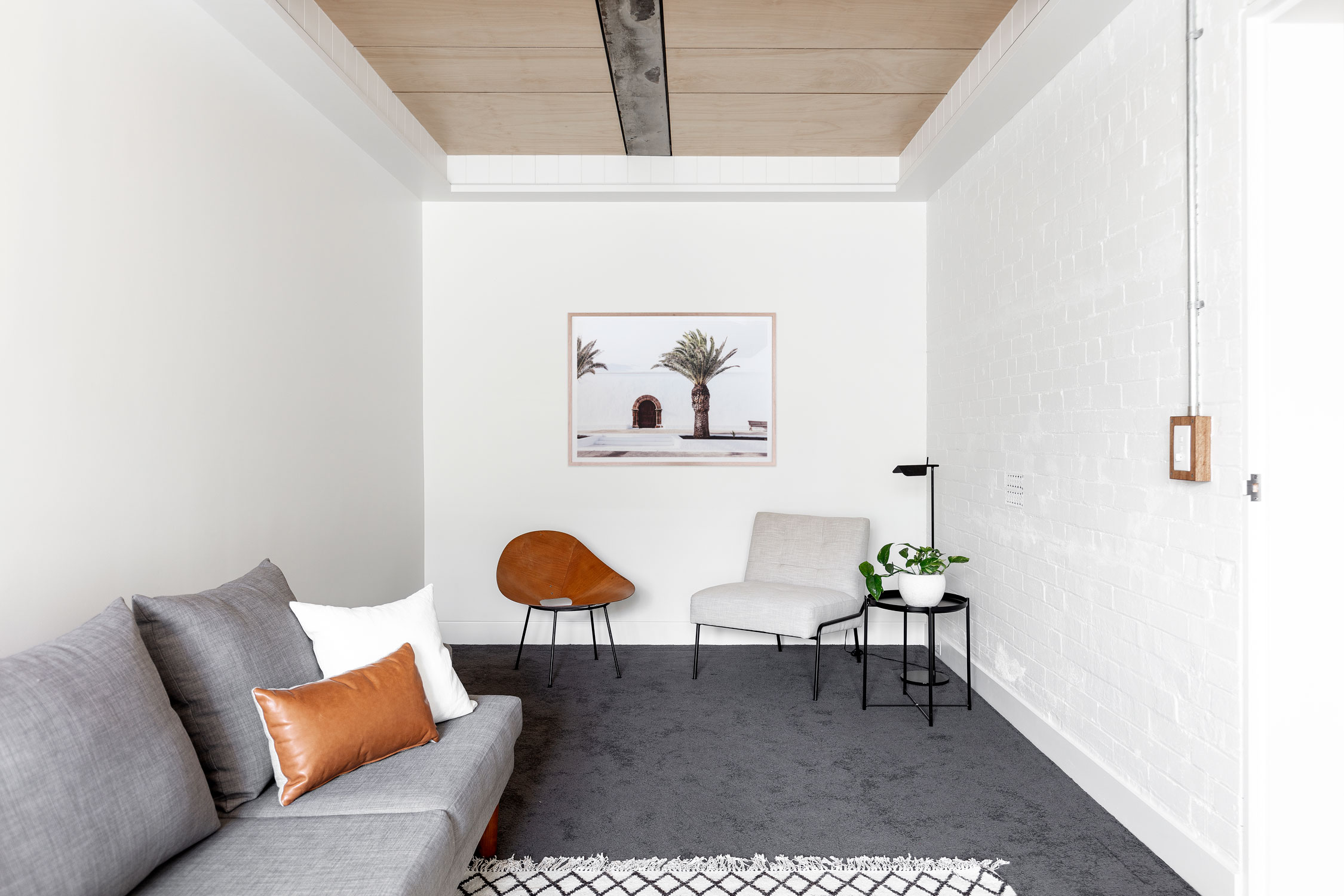
Counterbalancing its original structure and fabric, Darling Lane softly intervenes into its warehouse past. The insertion of opportunities for light to enter the internal spaces, together with a focus privacy and ventilation, see Welsh Major offer an approach to an inner-city dwelling conversion that improves immensely on a plethora of qualities to create a place in which both amenity and context are each given their due.